11 Dental Crown Sensitivity Facts Ocoee Patients Need
Learn why dental crown sensitivity happens, when it's normal, and when to call your Ocoee dentist for fast, gentle relief.
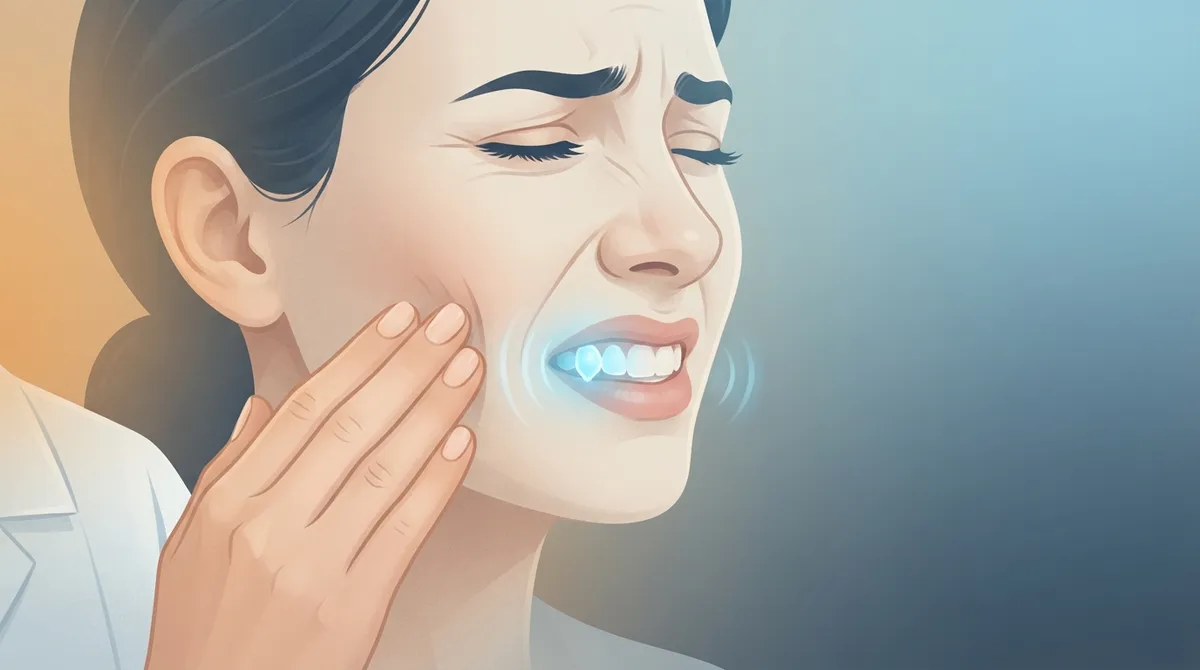
Key Takeaways
- Pain when biting down often indicates a high crown that needs a bite adjustment—a simple fix your dentist can perform in one visit to solve the problem completely.
- Most mild sensitivity after a crown lasts 2-3 weeks as the tooth adjusts; however, pain that worsens, throbs at night, or persists longer requires immediate dental attention to rule out serious issues.
- Sensitivity doesn't automatically mean you need a root canal; most cases resolve with simpler solutions like bite adjustments or desensitizing treatments, with root canals only necessary for severely inflamed nerves.
- Use home care strategies like avoiding extreme temperatures, sensitive toothpaste, and gentle chewing on the opposite side while monitoring symptoms, but these are temporary measures—not replacements for professional diagnosis.
Did your new crown feel great at first, but now hot coffee or cold ice water makes you wince? You're not alone. Many people in Ocoee notice some tooth sensitivity after getting a dental crown, and most of the time, it's nothing to worry about. But how do you know when a little discomfort is normal and when it's a sign of something bigger?
At Charming Smiles of Ocoee, we hear this question all the time. Dr. Aliuska Lopez and her team want you to feel confident about your smile, not confused about your symptoms. This guide breaks down 11 important facts about dental crown sensitivity, so you know exactly what's normal, what's not, and when to pick up the phone.
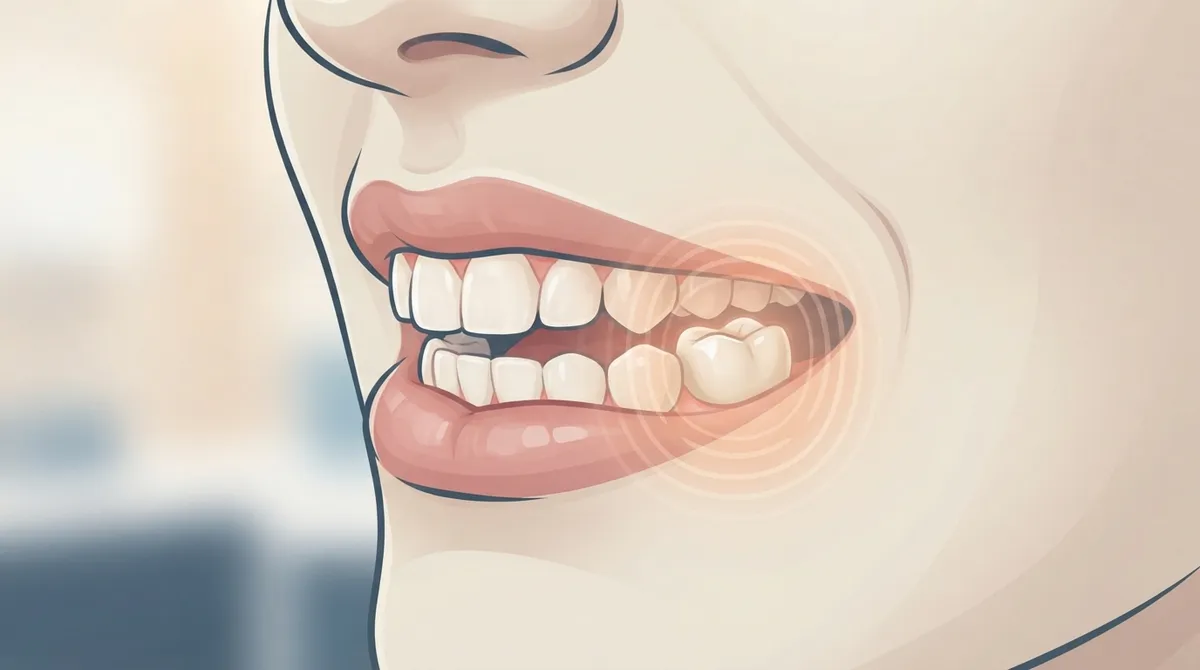
1. Mild Sensitivity Right After Your Crown Is Usually Normal
It's common to feel some sensitivity to hot or cold foods after your crowns & bridges procedure. According to the Cleveland Clinic, this kind of sensitivity can last for a couple of weeks. Your gums might feel a little sore too, but that soreness usually fades within just a few days.
Your tooth just went through a big change. It needs time to settle down and adjust to its new crown. Think of it like a small bruise that needs time to heal.
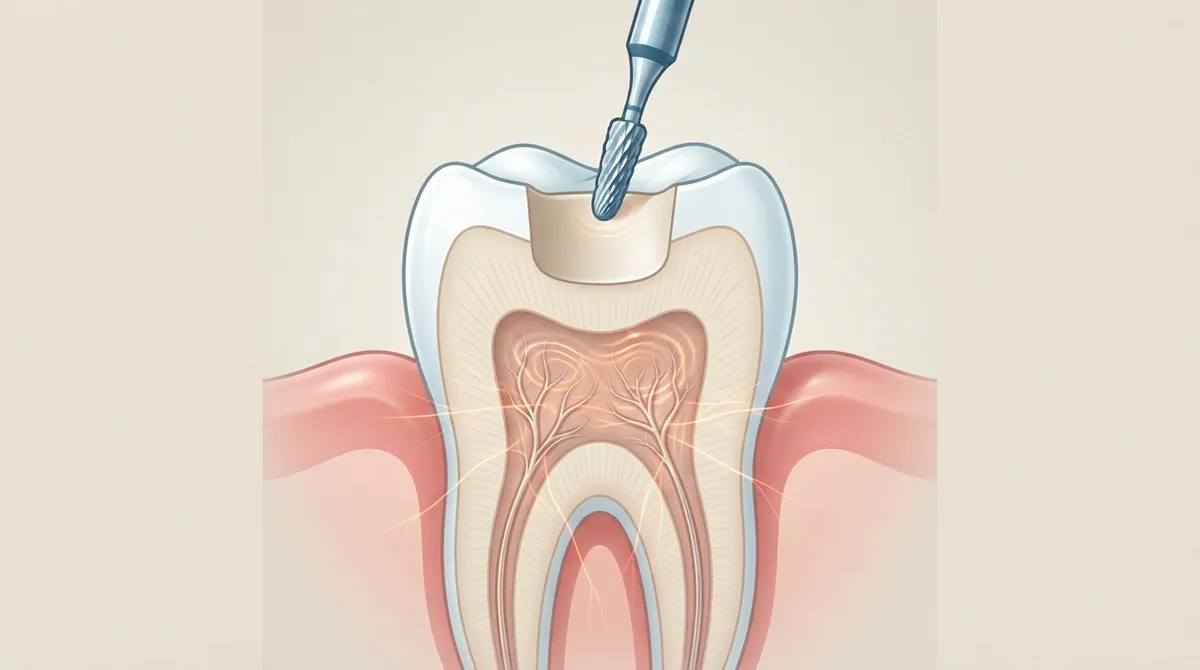
2. Your Tooth's Nerve Gets a Little Irritated During Prep
Before placing a crown, your dentist has to remove some of your natural tooth structure. This process can bring the crown closer to the nerve inside your tooth, called the pulp.
This can cause temporary irritation. As the inflammation calms down over time, most sensitivity fades away on its own. It's simply part of the healing process after this common restorative treatment.
3. Pain When Biting Down Could Mean a High Crown
Does it hurt every time you chew on that tooth? Your crown might be sitting a bit too high. This means it touches your other teeth before it should when you bite.
The good news is that this is an easy fix. Your dentist can quickly smooth down the high spot in a simple bite adjustment. This small tweak often solves the problem completely, and you won't need any major treatment.
4. Several Different Issues Can Cause Sensitivity
Not all crown sensitivity comes from the same cause. Here are some common reasons your tooth might feel sensitive after a crown:
- Exposed dentin near your gumline
- Gum recession that uncovers sensitive tooth roots
- A crown margin that isn't sealed quite right
- Irritation from the dental cement used to bond the crown
- Decay hiding underneath the crown
- A small crack in the tooth
- Inflammation or infection in the tooth's nerve
This is why it helps to see a dental professional if sensitivity doesn't improve. Guessing at home rarely solves the real problem.
5. Watch for These Warning Signs
Some symptoms mean you should call your dentist right away instead of waiting it out. Pay close attention if you notice any of the following:
- Pain that keeps getting worse instead of better
- Throbbing pain that comes out of nowhere
- Pain that wakes you up at night
- Sensitivity that lasts longer than a few weeks
- Swelling around the tooth or gum
- Fever along with tooth pain
- A bad taste or persistent bad breath near the tooth
- A crown that feels loose or wiggly
- Sharp pain every time you bite down
If you notice any of these signs, don't wait. Our emergency dentistry team is ready to help you find fast relief.
6. Your Dentist Has Several Ways to Check the Problem
When you come in with sensitivity, your dentist won't just guess. At Charming Smiles of Ocoee, we use a careful process to figure out what's really going on.
Here's what a checkup for crown sensitivity often includes:
- Checking the crown's margins to see if it fits properly
- Testing your bite to spot any high spots
- Examining your gums for recession or irritation
- Testing the nerve inside the tooth to check its health
- Taking dental X-rays to look for decay, cracks, or bone changes
This step-by-step approach helps us find the exact cause so we can fix it the right way the first time.
7. Treatment Depends on What's Actually Wrong
The fix for your sensitivity depends entirely on the cause. There's no one-size-fits-all answer, which is why an accurate diagnosis matters so much.
Possible treatments include:
- A simple bite adjustment for a high crown
- Desensitizing toothpaste or in-office treatments
- Treating gum disease or decay near the crown
- Replacing a crown that doesn't fit well
- Root canal treatment if the nerve is badly inflamed or infected
If a root canal becomes necessary, our root canals team makes the process as comfortable as possible using modern techniques and a gentle touch.
8. Simple Home Care Can Ease Mild Sensitivity
While you wait to see if sensitivity fades on its own, there are things you can do at home to feel better. Try these simple tips:
- Avoid very hot or very cold foods and drinks for a while
- Chew on the opposite side of your mouth if biting hurts
- Brush and floss gently but consistently
- Use a toothpaste made for sensitive teeth
- Take an over-the-counter pain reliever if needed, as directed
These steps can help manage discomfort short-term. But remember, they aren't a substitute for professional care if pain continues.
9. Crowns Are Reliable, But Not Perfect Forever
Dental crowns have an excellent track record. Research shows the five-year survival rate for crowns is generally above 90%, according to a systematic review of restorative dentistry. Some all-ceramic crowns show survival rates around 93%, while metal-ceramic crowns often reach over 95%.
These numbers are encouraging, but they describe how long crowns typically last, not how often sensitivity happens. A crown can still succeed long-term even if you experience some sensitivity along the way.
10. Sensitivity Doesn't Always Mean You Need a Root Canal
This is one of the biggest worries patients bring up. The truth is, most sensitivity after a crown does not mean you need a root canal.
A root canal only becomes necessary when the nerve inside the tooth is severely inflamed or infected beyond recovery. Many cases of sensitivity resolve with much simpler solutions, like a bite adjustment or a desensitizing treatment. Your dentist will only recommend a root canal if testing shows it's truly needed.
11. Choosing the Right Dental Team Makes All the Difference
Getting a crown that fits well from the start reduces your chances of dealing with ongoing sensitivity. This is why choosing an experienced, detail-focused dental practice matters so much.
At Charming Smiles of Ocoee, Dr. Aliuska Lopez is known as a true smile expert who takes precision seriously. Our spa-like office in Ocoee also helps ease worries for patients with dental anxiety. From soothing music to comfortable treatment rooms, we want every visit to feel calm, not stressful.
We proudly serve families throughout Ocoee, including patients looking for general dentistry, cosmetic dentistry, and everything in between. You can also explore our dental implants and veneers options if you're considering other ways to enhance your smile.
What to Do If Your Crown Feels Sensitive Right Now
If you're dealing with sensitivity after a crown, here's a simple checklist to follow:
- Note when the sensitivity happens (hot, cold, biting, or random)
- Track how long it lasts and if it's improving
- Avoid extreme temperatures for a few days
- Watch for warning signs like swelling or throbbing pain
- Call your dentist if symptoms last more than two to three weeks
- Don't ignore pain that wakes you up at night
Many patients feel relieved once they understand that mild, short-term sensitivity is common and treatable. Our practice also offers insurance & financing options and a helpful dental savings plan to make follow-up care more affordable.
Why Patients Trust Charming Smiles of Ocoee
We know dental worries can feel overwhelming. That's why our team takes time to explain what's happening with your smile in words that actually make sense. You deserve a dental home that treats you like family, not just another appointment on the schedule.
Curious what other patients say about their experience? You can visit us on Google — Charming Smiles of Ocoee to read real reviews from our Ocoee community. You can also connect with us on the Charming Smiles Facebook page or follow along on the Charming Smiles Instagram page for smile tips and updates.
If you'd like more general guidance on oral health research, the National Institute of Dental and Craniofacial Research offers helpful information backed by science.
Ready to Get Relief From Crown Sensitivity?
You don't have to guess about your dental crown sensitivity or just hope it goes away. Our caring team is here to check things out, explain what's happening, and get you back to enjoying your favorite foods and drinks again without wincing.
Ready to feel comfortable again? You can book online today, or simply call us at (407) 378-3704 to speak with our friendly Ocoee team. We also invite you to check out our location near Publix in Ocoee, conveniently close for patients across the area. Your comfortable, confident smile is waiting, and we can't wait to help you get there.
FAQs
Q: How long should a tooth be sensitive after getting a crown?
A: Most patients notice sensitivity to hot and cold for about two weeks after getting a crown. Gum soreness usually fades even faster, often within just a few days. If sensitivity sticks around much longer than that, it's a good idea to give us a call.
Q: Why does my crowned tooth hurt when I bite down?
A: This often happens when the crown sits a little too high, causing it to touch your other teeth too soon. The great news is this is usually a quick fix! A simple bite adjustment at our office can often solve the problem in just one visit.
Q: Does sensitivity under a crown always mean I need a root canal?
A: Not at all. Most sensitivity comes from simpler causes like bite issues or gum irritation. A root canal is only needed if the nerve inside the tooth is severely inflamed or infected, which your dentist can confirm with proper testing.
Q: When should I call a dentist about crown sensitivity?
A: Reach out right away if you notice worsening pain, throbbing, swelling, or pain that wakes you up at night. Sensitivity lasting more than a few weeks or pain every time you bite are also signs it's time to schedule a visit.
Q: How can I relieve sensitivity after getting a dental crown?
A: Try avoiding very hot or cold foods for a bit, and use a toothpaste made for sensitive teeth. Gentle brushing and chewing on the other side of your mouth can help too, while you wait to see if things improve naturally.