10 Veneers vs Caps Mistakes That Cost Ocoee Smiles
Avoid these 10 common veneers vs caps mistakes and learn how Charming Smiles of Ocoee helps you choose the right dental restoration.
Key Takeaways
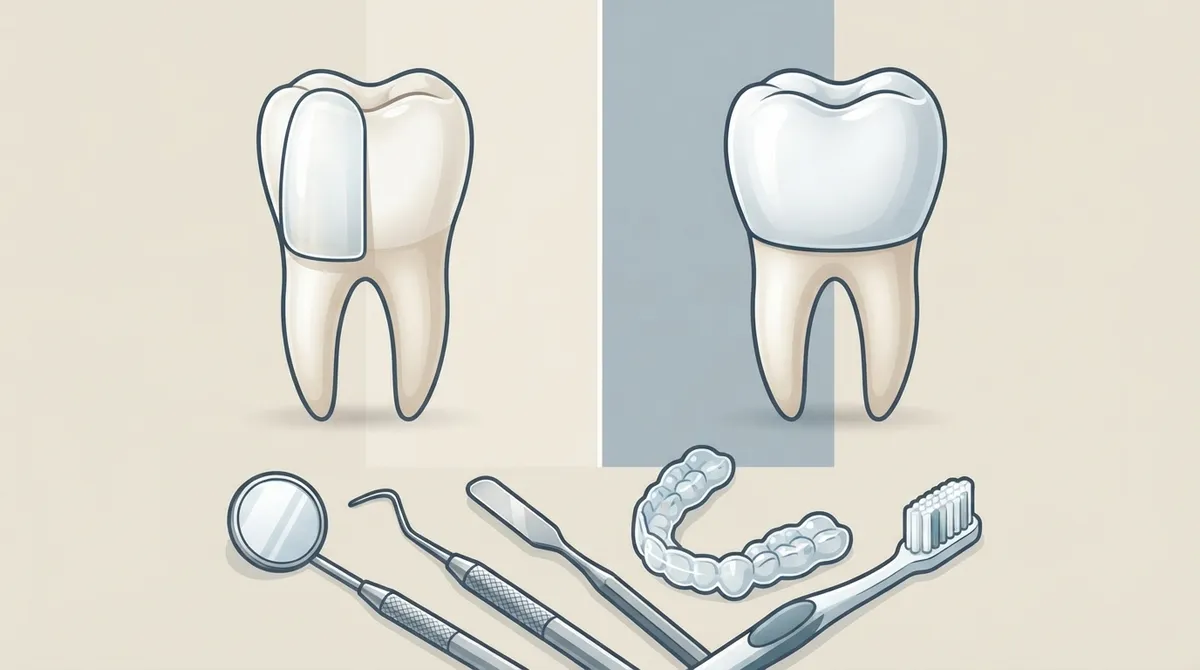
- Veneers cover only the front tooth surface (0.3-0.5mm enamel removal) while crowns wrap entirely around the tooth requiring more reduction; choosing the wrong option wastes money and unnecessarily removes healthy tooth structure.
- Crowns are designed for structural problems like cracks, decay, and root canals, while veneers work best for purely cosmetic goals like whitening or reshaping; using a crown for cosmetic fixes removes excess healthy tooth unnecessarily.
- Both veneers and crowns last 10-15 years with proper care, but longevity depends heavily on your grinding habits, oral hygiene, and regular checkups; a custom night guard is essential if you clench or grind your teeth.
- Veneers bonded to healthy enamel have better long-term results than those bonded to dentin or old composite; a full dental exam checking for decay, bite alignment, and remaining enamel is critical before deciding.
- Neither veneers nor crowns prevent decay or gum disease; daily brushing with fluoride toothpaste, flossing, regular checkups, and avoiding hard foods are essential to protect your investment and achieve the full lifespan.
- Veneer treatment is permanent and not reversible once enamel is removed; ask your dentist exactly how much natural tooth will be removed and whether this decision aligns with your long-term comfort and goals.
Trying to pick between veneers and caps? You're not alone. Almost every week, someone sits in our chair at Charming Smiles of Ocoee asking the same question. It's a good question to ask! Choosing the wrong option can waste your money, hurt your tooth, or leave you unhappy with your smile. The good news? Once you know the facts, this choice gets a lot easier.
In dentistry, a "cap" is just another word for a crown. Veneers and crowns both fix teeth, but they work in very different ways. One covers just the front of your tooth. The other wraps around the whole thing. Picking the wrong one can mean spending extra money or losing more healthy tooth than you needed to.
This guide walks through the 10 biggest mistakes people make when comparing veneers vs caps. We'll keep things simple and clear. By the end, you'll know exactly what questions to ask at your next visit to cosmetic dentistry or crowns & bridges services near you.
Mistake 1: Thinking Veneers and Caps Are the Same Thing
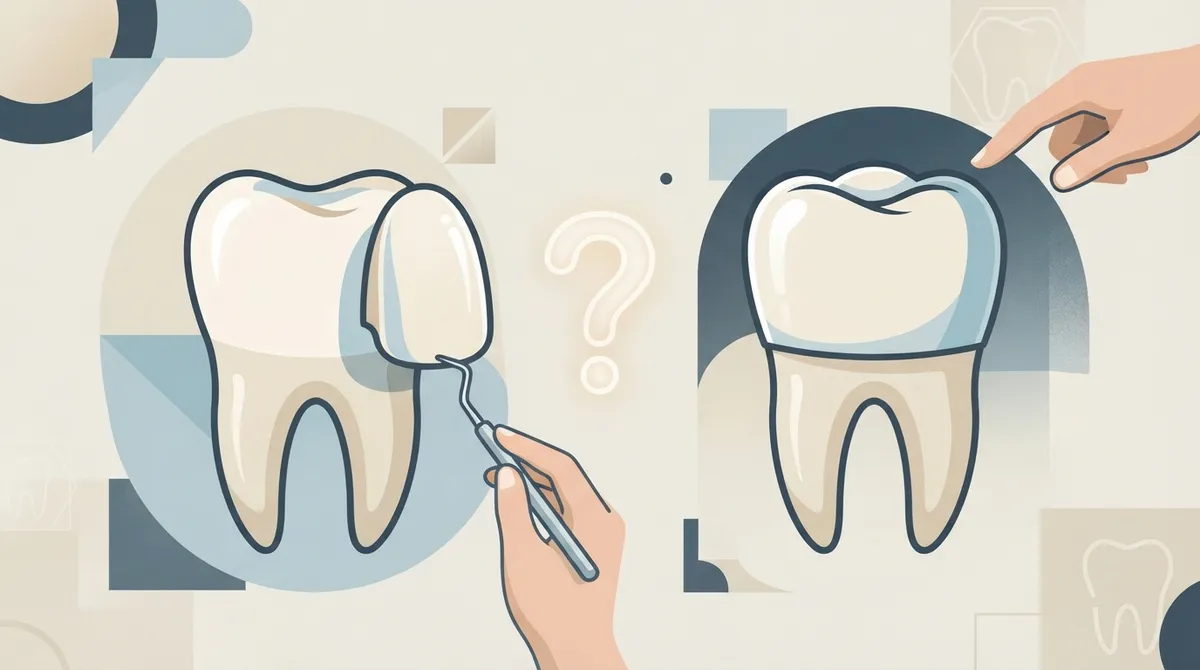
This is the biggest mix-up we hear. Veneers and caps are not interchangeable. A veneer is a thin shell. It sits only on the front surface of your tooth. A cap, or crown, covers the entire visible tooth, like a helmet.
Cleveland Clinic explains this clearly: veneers cover the front of a tooth, while crowns cover the whole tooth. That difference changes everything about cost, comfort, and how much of your natural tooth gets removed.
Why This Matters for Your Smile
If you pick the wrong one, you might pay for a treatment that doesn't solve your actual problem. A cracked tooth needs more than a thin shell. A tooth with just a small chip doesn't need a full crown. Knowing this difference from the start saves you time and money.
Mistake 2: Choosing Caps for Purely Cosmetic Fixes
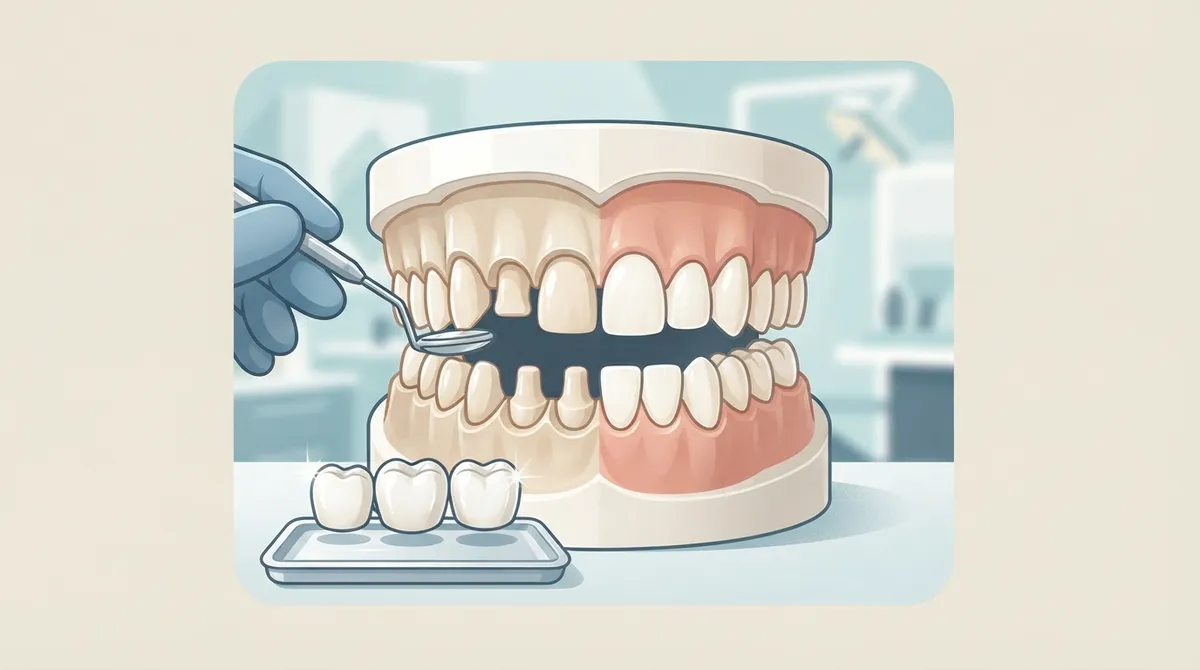
Caps are built for strength. They're the go-to option when a tooth is cracked, badly decayed, or already has a large filling. If your tooth is otherwise healthy and you just want a better color or shape, a full crown is often more than you need.
- Veneers work best for cosmetic goals like whitening, reshaping, or closing small gaps
- Crowns work best for structural problems like cracks, big cavities, or teeth after a root canal
- Using a crown for a simple cosmetic fix removes more healthy tooth than necessary
- Using a veneer on a badly damaged tooth may not hold up over time
Our team at Charming Smiles of Ocoee always checks the health of your tooth structure first. That's how we know which option actually fits your needs, not just your wish list.
Mistake 3: Not Asking About Tooth Reduction
Here's something many patients don't realize until it's too late: crowns and veneers remove different amounts of your natural tooth. Veneers usually need very little reduction. Porcelain veneer prep typically removes about 0.3 to 0.5 millimeters of enamel from the front surface, according to the Canadian Dental Association's clinical review.
Crowns need much more. Since a crown wraps around the entire tooth, your dentist has to shave down more of the tooth on all sides to make room. Once that enamel is gone, it doesn't grow back. This is why the smaller commitment of a veneer often feels more comfortable to patients who don't need full coverage.
Ask This Before You Decide
- How much of my natural tooth will be removed?
- Is this decision reversible or permanent?
- What happens if I change my mind later?
- Will removing this much enamel weaken my tooth?
The American Dental Association's MouthHealthy resource is clear that veneer treatment is not reversible. Once enamel is gone, your tooth will always need some type of covering. That's a big decision, so ask questions first.
Mistake 4: Ignoring Your Bite and Grinding Habits
Do you grind your teeth at night? This matters more than most people think. Grinding puts extra pressure on veneers and crowns alike, but it affects them differently.
Veneers are thinner and can chip or crack under heavy grinding forces. Crowns are stronger and better suited to handle that pressure, especially if made from durable materials. If you clench or grind, your dentist may recommend a custom night guard along with whichever restoration you choose.
Skipping this conversation is a common mistake. A rushed treatment plan that ignores your bite can lead to early failure and more visits, more cost, and more frustration.
Mistake 5: Overlooking How Long Each Option Really Lasts
People often assume one option automatically lasts longer than the other. That's not quite true. Both veneers and crowns typically last around 10 to 15 years with good care, though results vary by material and habits.
| Factor | Veneers | Dental Crowns (Caps) |
|---|---|---|
| Typical Lifespan | 10-15 years | 10-15 years |
| Tooth Reduction | Minimal (0.3-0.5mm) | More extensive, full coverage |
| Best For | Cosmetic changes, minor chips, gaps | Cracked, decayed, or weakened teeth |
| Reversibility | Not reversible | Not reversible |
| Coverage Area | Front surface only | Entire visible tooth |
Guidance from Leeds Teaching Hospitals NHS Trust notes that a properly cared-for crown or veneer should normally last around 8 to 10 years, though real-world results depend heavily on your bite, hygiene, and follow-up visits. Skipping regular checkups is one of the fastest ways to shorten the life of either option.
Mistake 6: Forgetting That Bonding Location Affects Success
This one surprises a lot of patients. Where a veneer bonds on your tooth actually changes how well it holds up. Veneers bonded mostly to enamel tend to have more predictable, longer-lasting results than veneers bonded to dentin or old composite material.
This is why your dentist needs to check exactly how much healthy enamel is left before recommending veneers. If too much enamel has been worn away or previously drilled for old fillings, a crown might actually serve you better long-term, even if a veneer originally seemed like the simpler choice.
Mistake 7: Assuming Veneers Are Always Cheaper
Cost is often the deciding factor for many families in Ocoee. It's true that veneers can sometimes cost less than crowns, but this isn't a hard rule. Prices depend on the material used, the number of teeth treated, and your specific dental needs.
Here's what actually affects your final cost:
- The material chosen (porcelain, composite, or advanced ceramics)
- How many teeth need treatment
- Whether you need prep work like fillings or a root canal first
- Your dental insurance coverage and any dental savings plan membership
- Available insurance & financing options through your dental office
At Charming Smiles of Ocoee, we walk through your payment plans and current specials before any treatment starts, so there are no cost surprises later.
Mistake 8: Skipping a Full Exam Before Deciding
Some patients walk in already set on one option without letting a dentist actually examine the tooth. This can backfire. A full exam checks for decay, cracks, gum health, and bite alignment, all things that affect which restoration will actually work.
What a Proper Exam Should Include
- A visual and digital check of the tooth's structure
- X-rays to spot hidden decay or root issues
- A bite assessment to check for grinding or misalignment
- A conversation about your cosmetic goals
- A review of alternatives, including whitening or bonding for less involved cases
Skipping any of these steps increases your risk of picking a treatment that doesn't fit your mouth's actual condition. Our team never rushes this part, because getting it right the first time saves you from redoing work later.
Mistake 9: Believing Neither Option Needs Ongoing Care
Here's a fact that surprises people: neither veneers nor crowns stop decay or gum disease. They're restorations, not shields against future problems. Your daily habits still matter just as much after treatment as before.
To protect your investment, keep up with:
- Brushing twice daily with fluoride toothpaste
- Flossing or using interdental cleaners every day
- Regular dental checkups and cleanings
- Wearing a custom night guard if you grind your teeth
- Avoiding hard foods that can chip veneers or crack crowns
Skipping these basics is one of the top reasons restorations fail early. Good habits are what actually make your smile investment last the full 10 to 15 years it's designed for.
Mistake 10: Not Choosing an Experienced Local Dentist
This might be the most important mistake of all. Veneers and crowns both require skill and precision. A poorly fitted crown can feel uncomfortable or fail early. A poorly shaped veneer can look unnatural or chip easily.
Dr. Aliuska Lopez at Charming Smiles of Ocoee has built a reputation as a trusted smile expert in the area, known for careful, detailed work that helps patients feel confident again. Choosing a dentist with real experience in both cosmetic and restorative work means you get honest advice about what your smile actually needs, not just what sounds appealing.
Curious what real patients say about their experience? You can visit us on Google — Charming Smiles of Ocoee to read reviews from families across Ocoee. You can also follow along on our Charming Smiles Instagram page or check out our Charming Smiles Facebook page for smile transformations and patient stories.
How to Know Which Option Fits You Best
Every smile is different, and that's exactly why a one-size-fits-all answer doesn't exist for veneers vs caps. Here's a simple way to think about it:
- If your tooth is healthy but you want a cosmetic upgrade, veneers are usually the better fit
- If your tooth has a large filling, crack, or decay, a crown likely offers better protection
- If you've had a root canal, a crown is often recommended to protect the treated tooth
- If you're unsure, a professional exam is the only way to know for certain
For patients exploring cosmetic upgrades, our Veneers page has more details on materials and the process. And if your case leans toward restoration, our crowns & bridges page explains what to expect from start to finish.
Other Options Worth Knowing About
Veneers and crowns aren't the only paths to a better smile. Depending on your goals, you might also consider:
- Professional teeth whitening services for a brighter smile without any tooth reduction
- Dental bonding for very small chips or gaps
- Invisalign if your concern is more about alignment than tooth shape or color
- Dental implants if you're actually dealing with a missing tooth rather than a damaged one
A thorough consultation helps sort out which path actually solves your specific concern instead of guessing.
Ready to Get a Real Answer for Your Smile?
Guessing between veneers and caps online only gets you so far. The real answer comes from an in-person exam with a dentist who takes time to explain your options clearly. At Charming Smiles of Ocoee, we combine advanced technology with a calm, spa-like setting so you feel comfortable asking every question on your mind.
If you're ready to find out which option truly fits your smile, call us at (407) 378-3704 to schedule your consultation, or explore our location to plan your visit. You can also book online at a time that works for your schedule. Our team is here to help you avoid these common mistakes and walk away with a smile you're proud to show off.
FAQs
Q: What is the main difference between veneers and caps?
A: Great question! A veneer is a thin shell that covers just the front of your tooth, kind of like a fancy fingernail for your smile. A cap, which is really just another name for a crown, wraps completely around the whole tooth. Veneers are mostly for looks, while caps are built to protect and strengthen a tooth that's cracked, decayed, or weakened.
Q: Are veneers or crowns better for front teeth?
A: It really depends on the health of your tooth! If your front tooth is healthy and you just want a brighter, more even smile, veneers are often the way to go. But if that same tooth has a crack, a big filling, or has had a root canal, a crown will give you the extra strength you need. Our team at Charming Smiles of Ocoee can take a look and tell you exactly which one fits your smile.
Q: Do veneers damage natural teeth more than crowns?
A: Actually, it's usually the other way around! Veneers typically need much less tooth reduction than crowns, sometimes as little as 0.3 to 0.5 millimeters of enamel. Crowns need more space removed since they cover the entire tooth. That said, both are permanent changes, so it's worth talking through your options carefully before deciding.
Q: Which lasts longer, porcelain veneers or dental crowns?
A: Both typically last around 10 to 15 years when you take good care of them! Longevity really comes down to your oral hygiene, whether you grind your teeth, and how often you keep up with checkups. Neither option is a "set it and forget it" treatment, so daily brushing and regular visits really do make a difference.
Q: Can you get veneers over crooked, weak, or decayed teeth?
A: Not usually, and that's actually a good thing to know upfront! Veneers work best on teeth that are already fairly healthy and just need a cosmetic boost. If a tooth is decayed, cracked, or significantly weakened, a crown is typically the safer, stronger choice. Bringing your questions to a full exam helps make sure you get the right fit the first time.