10 Honest Answers: Does Getting a Dental Implant Hurt?
Does getting a dental implant hurt? Learn what to expect during and after treatment, plus simple recovery tips from your Ocoee dental team.
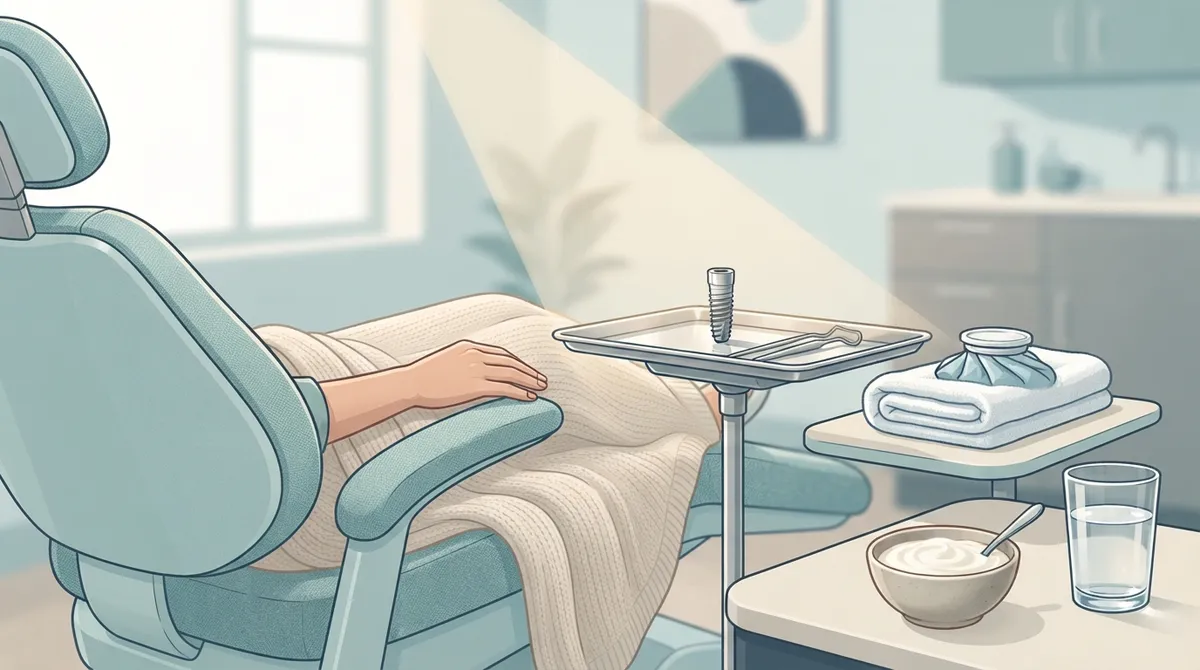
Key Takeaways
- The procedure itself should not cause sharp pain because local anesthesia numbs the area; you may feel pressure or vibration, and you should tell your dentist if anything bothers you.
- Soreness, swelling, and light bruising after implant surgery are normal and are usually strongest in the first 24 to 48 hours, often improving within about a week.
- Dentist-approved pain relievers like acetaminophen or ibuprofen, plus rest, cold packs, and soft cool foods, typically manage recovery discomfort well when used as directed.
- Call your dentist promptly for severe or worsening pain, heavy swelling, bleeding that won't stop, fever, or new numbness, since these are not expected recovery signs.
If you are thinking about replacing a missing tooth, one question probably tops your list: does getting a dental implant hurt? It is a fair question, and you are far from alone. Many people put off treatment for years because they picture something scary. The good news is that modern implant care is much gentler than most people expect.
Here is the short answer. You should not feel sharp pain during the procedure because the area is numbed. Afterward, mild to moderate soreness is common, and most people manage it well at home. In this guide, we walk through 10 honest answers so you know what to expect before, during, and after treatment. Whether you are a busy parent, a senior with tooth loss, or someone who feels nervous at the dentist, you will find clear, friendly answers here. At Charming Smiles of Ocoee, we believe knowing what is coming is the first step toward feeling calm.
1. You Should Not Feel Sharp Pain During the Procedure
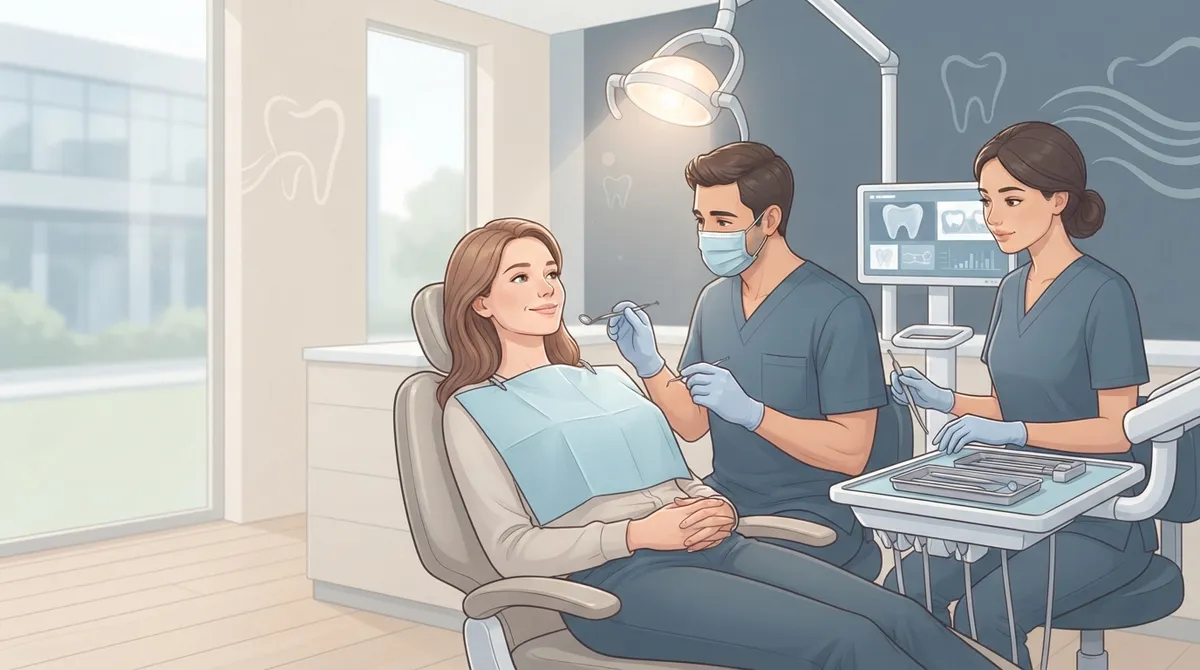
Let's start with the biggest worry. Dental implant placement is done with local anesthesia. That means your dentist numbs the area before starting. You may feel pressure, tapping, or a little vibration, but sharp pain is not expected.
Think of it like getting a filling. You know something is happening, but it does not hurt. If you ever feel discomfort during treatment, tell your dentist right away. They can add more numbing medicine so you stay comfortable.
Curious about the full process? Learn more about dental implants and how treatment works.
2. Sedation Can Help If You Feel Anxious
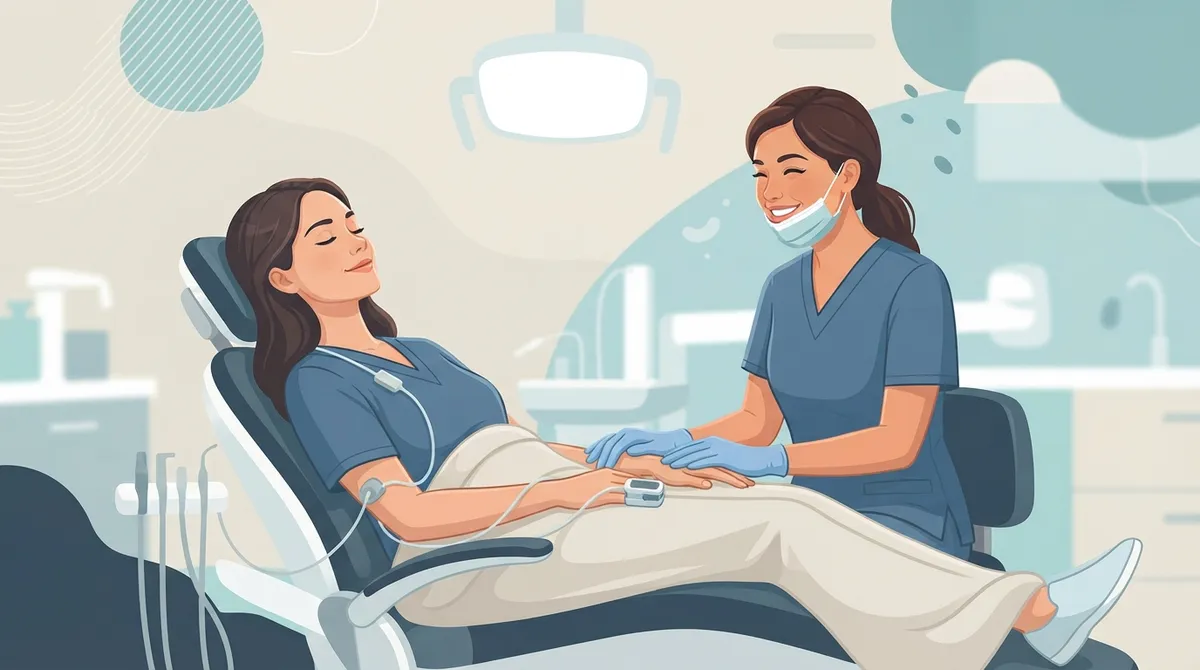
Does the thought of a dental chair make your hands sweat? You are not alone. Many patients with dental fear avoid care for years. Sedation may be an option for anxious patients or for longer treatment visits.
Here is an important point. Sedation helps you relax, but it does not replace local numbing. Your dentist will still numb the area so you stay comfortable.
- Local anesthesia numbs the treatment area.
- Sedation helps calm nerves and ease stress.
- Both can be used together when needed.
If fear is what keeps you away, our team can help. Read more about how to get help with dental anxiety in Ocoee.
3. Our Spa-Like Setting Makes a Real Difference
Comfort is not just about medicine. It is also about how a visit feels. A calm room, soft music, a warm blanket, and a kind team can lower stress more than you might think. When your body relaxes, the whole experience feels easier.
At Charming Smiles of Ocoee, we designed our office to feel more like a spa than a clinic. Dr. Aliuska Lopez, known as a "smile expert," and her team take time to explain each step. You will never be rushed or kept in the dark.
4. Soreness After Treatment Is Normal
Once the numbing wears off, you may notice some soreness. This is normal. Your mouth just had a small surgery, so some tenderness is expected. Common feelings include:
- Mild to moderate soreness near the implant
- Swelling in the gums or cheek
- Light bruising
- Minor bleeding or oozing
How much discomfort you feel depends on your case and your body. Some people feel very little. Others feel more. Your dentist can explain what to expect for your treatment plan.
5. Discomfort Is Usually Worst in the First 24 to 48 Hours
The first two days are often the toughest. After that, most people notice steady improvement. NHS guidance from Leeds Teaching Hospitals notes that discomfort may be worst 24 to 48 hours after surgery. Guy's and St Thomas' guidance says it is usually managed with regular painkillers and may last up to about a week, though it varies from person to person.
One small 2021 recovery study of 40 patients offers a helpful picture, though it should not be treated as a promise for everyone. It found that pain and pain medicine use generally dropped to minimal levels after about three days. Swelling took about four to five days to become minimal.
| Recovery Item | What Often Happens |
|---|---|
| Discomfort | Often strongest in the first 24 to 48 hours |
| Pain medicine use | Generally fades by about day three (small 2021 study) |
| Swelling | Often settles within four to five days (small 2021 study) |
| Overall soreness | Usually up to about a week, but it varies |
Remember, these are general patterns. Your own recovery may be quicker or slower.
6. Simple Pain Relief Often Does the Job
Many patients manage soreness with dentist-approved over-the-counter pain relief. Options such as acetaminophen (paracetamol) or ibuprofen may help when they are medically right for you. Always follow your dentist's directions and the label on the bottle. Do not assume you need a prescription, and do not guess on doses.
A few easy comfort tips can also help:
- Rest for the first day or two.
- Use a cold pack on your cheek for short periods to ease swelling.
- Eat soft, cool foods like yogurt, smoothies, and mashed potatoes.
- Avoid hot drinks and hard or crunchy snacks at first.
- Follow every aftercare instruction your dentist gives you.
7. More Complex Cases May Feel Different
Not every implant case is the same. Treatment can feel more intense when it involves extra steps, such as bone grafting or placing several implants. A bone graft builds up the jawbone so an implant has a strong base. This can mean a bit more soreness afterward.
Here is a quick comparison of what may affect your comfort:
| Treatment Type | What to Expect |
|---|---|
| Single implant | Often the simplest, with milder soreness |
| Multiple implants | More treatment area, so more tenderness is possible |
| Implant with bone graft | Extra healing and more soreness may occur |
Your dentist will review your plan with you ahead of time, so there are no surprises.
8. The Long Healing Period Does Not Mean Constant Pain
Here is something that confuses many people. Gum healing usually takes about one to two weeks. The implant fusing with your jawbone, called integration, takes longer, often around two to six months depending on the case.
That longer stretch does not mean you will hurt the whole time. It is simply your body doing quiet work under the surface. Most people feel back to normal long before the bone is fully healed. If you want to understand costs and planning, see how much dental implants cost in Ocoee, FL.
9. Some Symptoms Mean You Should Call Your Dentist
Mild soreness that slowly gets better is normal. But some signs should not be ignored. Pain that is severe, getting worse instead of better, or lasting longer than expected needs a professional look. Please do not just wait it out.
Call your dental team promptly if you notice:
- Severe pain that keeps getting worse
- Pain that lasts beyond the expected recovery time
- Heavy swelling that increases
- Bleeding that does not stop
- Fever
- New or lasting numbness
If you have sudden pain after treatment, our emergency dentistry team is ready to help. You can also call us at (407) 378-3704 any time you have a concern.
10. Avoiding Common Mistakes Can Keep You Comfortable
A smooth recovery often comes down to smart habits. Skipping aftercare or rushing back to normal life can raise your discomfort. Many problems are avoidable with a little planning. For more on this, check out 5 dental implant mistakes that could cost you thousands.
Is an implant more painful than a tooth extraction? Many patients say recovery feels similar or even easier, but experiences differ. Your dentist can talk you through what to expect in your own case.
Who Benefits Most From Implants?
Dental implants help many kinds of patients. Seniors with tooth loss often enjoy stronger chewing and a more natural look. Adults who want a confident smile may prefer implants over other options. Families who need a steady, long-term fix for a missing tooth also benefit.
If you want to compare choices, our services page shows everything we offer, including dentures and crowns and bridges.
Making Treatment Affordable
Worry about cost can add stress, and stress can make everything feel harder. We want you to feel at ease. Our practice accepts many major insurance plans and offers flexible financing. Explore our insurance and financing options, our dental savings plan, and our current specials, including a free dental implant consultation. You can also see what other patients say about us. Visit us on Google — Charming Smiles of Ocoee to read reviews from our Ocoee neighbors, or follow us on the Charming Smiles Facebook page and Charming Smiles Instagram page for smile stories and tips.
Final Thoughts: You Can Do This Comfortably
So, does getting a dental implant hurt? During the procedure, numbing keeps you comfortable. Afterward, some soreness is normal, often strongest in the first day or two, and manageable with simple care. Knowing what to expect takes away much of the fear.
If you are ready to take the next step, we would love to meet you. Come see our location at 315 West Rd in Ocoee, or book online to schedule your free implant consultation. Dr. Lopez and our gentle team will answer every question and help you feel relaxed from the very first hello.
FAQs
Q: Does getting a dental implant hurt during the procedure?
A: Not usually. Your dentist numbs the area with local anesthesia, so you should feel pressure or vibration rather than sharp pain. If anything bothers you, just tell your dentist and they can help right away.
Q: How long does pain last after a dental implant?
A: Soreness is often strongest in the first 24 to 48 hours and then improves over several days. Most people feel much better within about a week, though everyone heals a little differently.
Q: What can I take for pain after dental implant surgery?
A: Many patients use dentist-approved over-the-counter options like acetaminophen or ibuprofen when they are safe for them. Always follow your dentist's advice and the medicine label.
Q: Can I choose sedation for dental implant surgery?
A: Sedation may be an option if you feel anxious or need longer treatment. It helps you relax, but you will still get local numbing so the area stays comfortable.
Q: When should I call my dentist about pain after an implant?
A: Call promptly if pain is severe, getting worse, or lasting longer than expected. Also reach out for heavy swelling, ongoing bleeding, fever, or new numbness.