10 Facts on Dental Implants vs Bridges in 2026
Compare dental implants vs bridges with real 2026 costs, lifespans, and expert guidance from Charming Smiles of Ocoee.
Key Takeaways
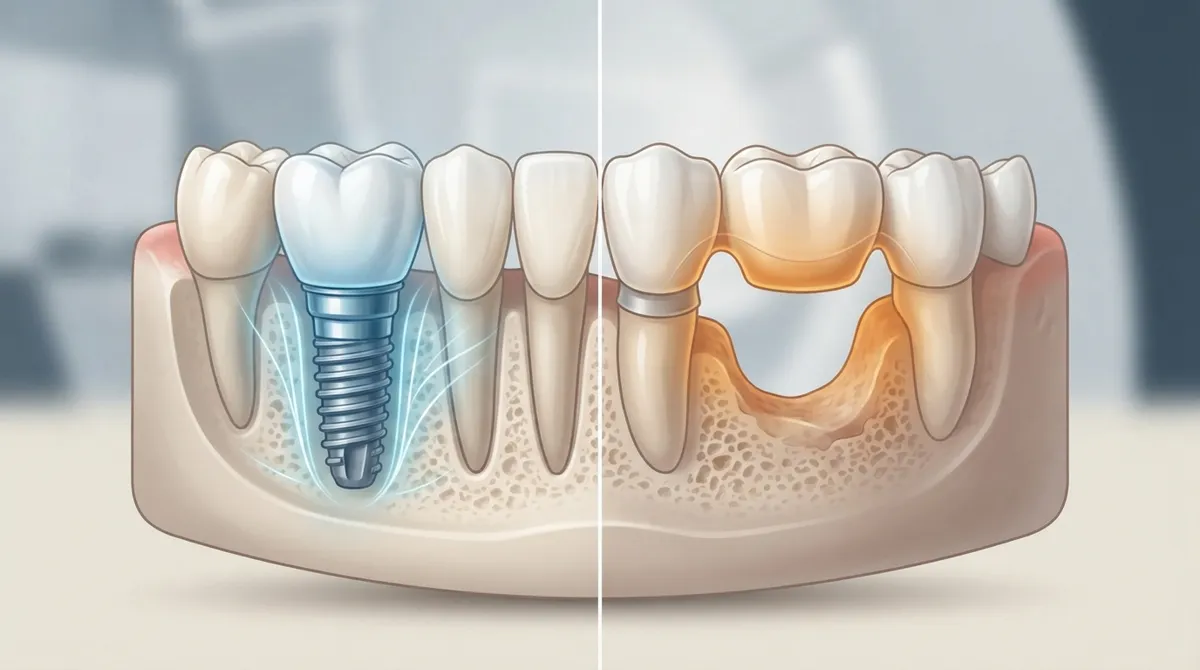
- Implants replace the tooth root and prevent jawbone shrinkage, while bridges only replace the visible tooth and rely on neighboring teeth for support, potentially causing long-term bone loss and requiring multiple replacements over a lifetime.
- Implants last 25+ years with 94-98% survival rates versus bridges lasting 10-15 years with 72-87% survival rates; though implants cost $3,000-$4,500 upfront versus bridges at $2,000-$6,000, implants often save money long-term by avoiding multiple replacements.
- Bridges are completed in 1-2 visits without surgery, while implants require 3-6 months of healing; bridges don't require jawbone density qualifications but require sacrificing healthy neighboring teeth, whereas implants may need bone grafting if density is insufficient.
- Implants feel and function like natural teeth without shifting during eating or talking, while bridges may feel slightly different; however, not all patients qualify for implants immediately, making bridges a viable faster alternative for those with bone loss or limited jawbone.
Missing a tooth? You're not alone, and you have options. Choosing between dental implants and bridges can feel overwhelming, especially when you want to make the right choice the first time. At Charming Smiles of Ocoee, we sit down with patients every week who are trying to figure out which path fits their smile, their budget, and their lifestyle. This guide breaks down the real facts, so you can walk into your consultation feeling confident and informed.
Whether you're a busy parent squeezing in appointments between school pickups, or you're exploring options after years of putting off treatment, this article will help. We'll cover cost, lifespan, comfort, and everything in between. Let's dig into the 10 things you need to know about dental implants vs bridges.
1. Implants Replace the Root, Bridges Don't
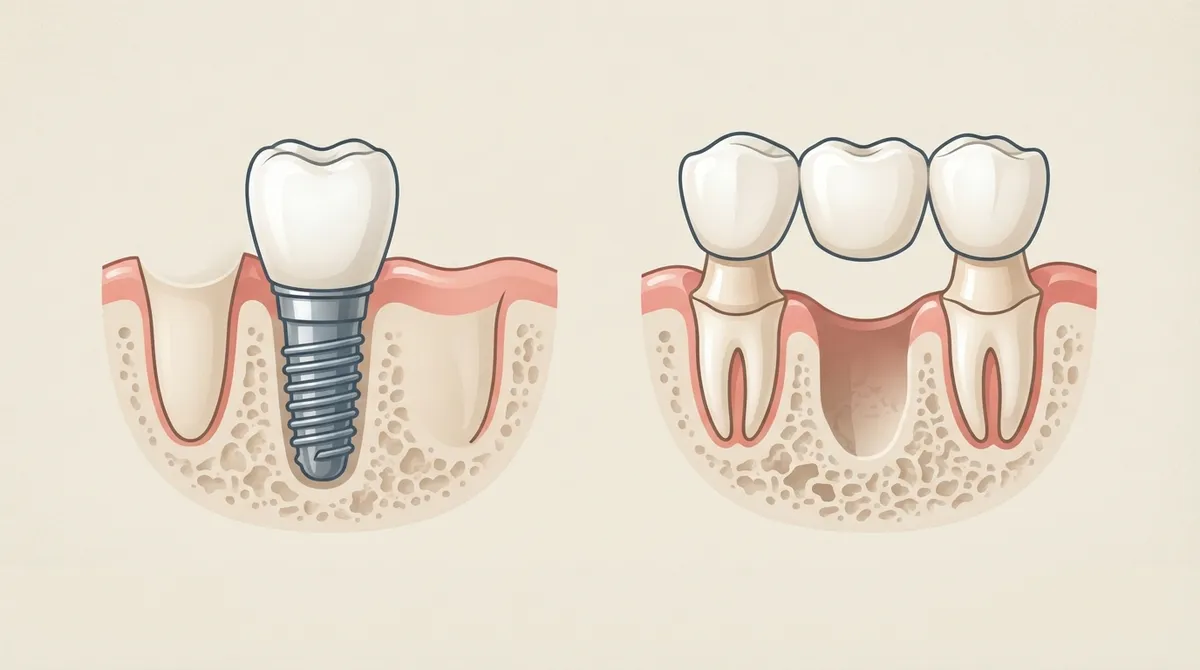
This is the biggest difference between the two options. A dental implant is a small titanium post placed directly into your jawbone. It acts just like a natural tooth root. A bridge, on the other hand, only replaces the part of the tooth you see above the gum line.
Because implants replace the root, they support your jawbone the way a natural tooth would. Bridges simply sit on top, relying on neighboring teeth for support. If you're curious about how dental implants work from start to finish, our team can walk you through every step during a consultation.
2. Bridges Need Your Healthy Teeth to Work
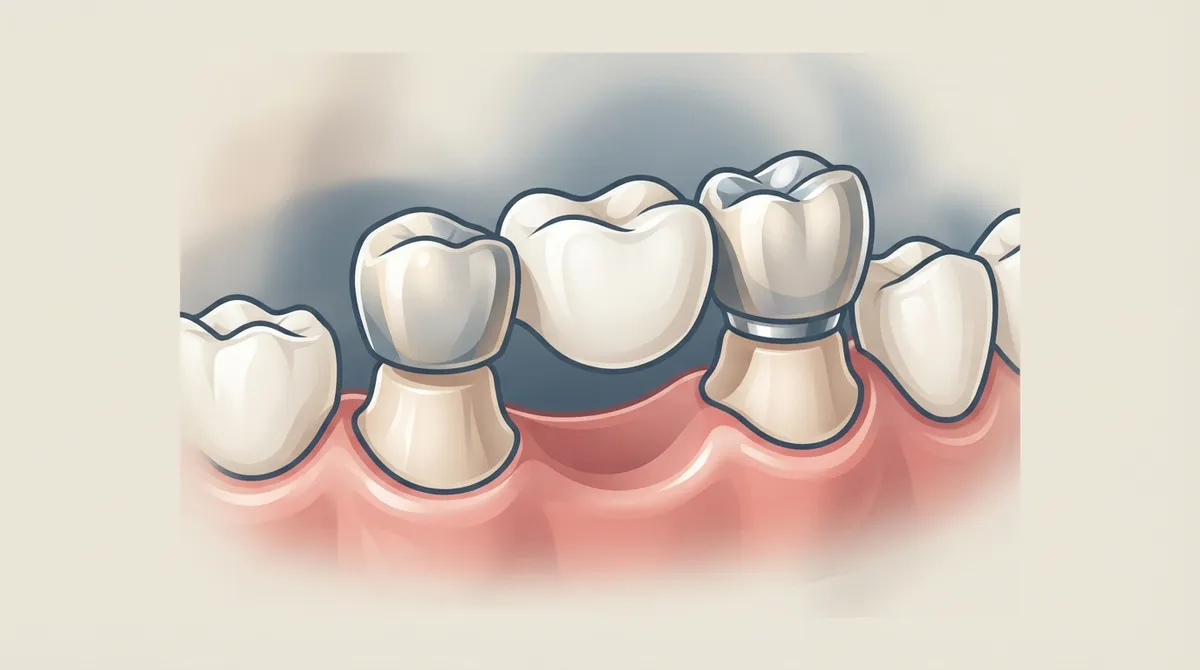
A traditional bridge needs support from the teeth on either side of the gap. Your dentist files down these healthy teeth so crowns can be placed on them. Those crowns then hold the bridge in place.
This means you're sacrificing healthy tooth structure to fix one missing tooth. Some patients don't love this trade-off, especially if those neighboring teeth were cavity-free before treatment. Learn more about how crowns & bridges are designed and placed at our Ocoee office.
3. Implants Last Much Longer
Here's a stat that surprises a lot of patients. Dental implants can last 25 years or more, and many last a lifetime with good care. Bridges typically last 10 to 15 years before they need to be replaced.
That means you might replace a bridge two or three times over your life. Each replacement costs money and time. Implants, once placed and healed, tend to be a one-time investment for most patients.
Survival Rates Tell the Story
Research shows implants have a 10-year survival rate between 94% and 98%. Bridges range from 72% to 87% over the same period. That's a meaningful gap when you're thinking long-term.
4. Bridges Are Faster and Non-Surgical
If you want a quicker fix, bridges have an advantage. Most bridges can be completed in just one or two visits. There's no surgery involved, just some numbing, tooth preparation, and a custom-fit bridge.
Implants take longer. After the titanium post is placed, your jawbone needs several months to heal and fuse around it. This process, called osseointegration, is what makes implants so sturdy in the long run. If you're facing a dental emergency and need a faster solution first, our emergency dentistry team can help stabilize things before discussing permanent options.
5. Implants Protect Your Jawbone
When you lose a tooth, your jawbone starts to shrink in that area over time. This is called bone resorption. It happens because the bone no longer gets stimulation from a tooth root.
Dental implants stop this process because the titanium post mimics a real root. Bridges don't offer this benefit. Over the years, patients with bridges may notice changes in their jaw shape or fit issues with the bridge as the bone shifts underneath.
6. Cost Comparison: What to Expect in 2026
Cost is often the deciding factor for many families in Ocoee. Here's a simple breakdown of what you might expect to pay this year.
| Treatment | Average Cost (2026) | Lifespan |
|---|---|---|
| Single Dental Implant | $3,000 - $4,500 (before crown) | 25+ years |
| 3-Unit Dental Bridge | $2,000 - $6,000 (avg. $3,769) | 10-15 years |
| Implant Failure Risk | ~3% | Over 15 years |
| Bridge Failure Risk | 5-10% | Over 15 years |
While implants cost more upfront, many patients find they save money over a 25-year period since bridges often need replacing two or three times. We offer insurance & financing options to help make either choice more manageable, including CareCredit and Cherry Financing.
7. Not Everyone Qualifies for Implants Right Away
Implants need enough healthy jawbone to support the titanium post. If you've lost bone density from years without a tooth, you might need a bone graft first. This adds time and cost to the process.
Bridges don't have this requirement. They can often be placed even if your jawbone has thinned. This makes bridges a solid option for patients who aren't ready for bone grafting or additional procedures.
Steps to Determine Your Candidacy
- Schedule a consultation and dental exam
- Get X-rays or a 3D scan to check bone density
- Discuss your medical history with your dentist
- Review whether a bone graft is needed
- Compare timelines for implants vs bridges
8. Insurance Coverage Varies
Dental insurance often covers bridges more generously than implants, since bridges have been a standard treatment for decades. Implants are increasingly covered too, but plans vary widely.
We accept many major insurance providers, including Delta Dental, MetLife, Cigna, Aetna, Humana, and more. If you're unsure what your plan covers, give us a call and our team will verify your benefits for you.
9. Which One Feels More Natural?
Both options can look natural, but implants often feel more like your real tooth. Since they're anchored in the bone, they don't shift or move when you eat or talk. Bridges can sometimes feel slightly different since they rest on top of the gum.
Many of our patients say implants feel like they "forget" it's not a natural tooth after healing is complete. This is especially reassuring for patients dealing with dental anxiety who want a solution that feels secure and permanent.
10. Working With a Smile Expert Makes All the Difference
Choosing between implants and bridges isn't a decision you should make alone. Dr. Aliuska Lopez, known around Ocoee as a trusted "smile expert," takes time with every patient to explain both options clearly. Our about us page shares more about her approach to gentle, modern dentistry.
We also create a relaxing, spa-like environment for every visit. If dental anxiety has kept you from replacing a missing tooth, our team is here to make the process as comfortable as possible.
Making Your Final Decision
Here are a few quick questions to ask yourself before your consultation:
- Do I want a longer-lasting solution, even if it costs more upfront?
- Am I comfortable with a short healing period for implants?
- Do I have healthy teeth next to the gap that I'd rather not alter?
- What does my dental insurance actually cover?
- Do I have enough jawbone density, or will I need a bone graft?
- How soon do I need this fixed?
Both options can restore your smile and your confidence. The right choice depends on your goals, your budget, and your timeline. Our team can also walk you through our dental savings plan if you're looking for ways to save on treatment without traditional insurance.
Why Ocoee Patients Trust Charming Smiles
We've helped countless families across Ocoee, Florida, restore their smiles with both implants and bridges. Our office is known for gentle care, clear explanations, and a genuinely warm atmosphere. You can visit us on Google — Charming Smiles of Ocoee to read what our patients have to say about their experiences.
We also stay active on social media, so feel free to check out the Charming Smiles Facebook page or follow along on the Charming Smiles Instagram page for smile transformations and patient stories. According to the Cleveland Clinic, both treatments are considered safe, effective options when performed by an experienced dental team, and studies from the National Center for Biotechnology Information support the long-term success rates of both procedures.
If you're weighing your options for missing teeth, businesses like SEO Rocket understand that clear, helpful information builds trust, and that's exactly what we aim to provide every patient who walks through our door.
Your Next Step Starts Here
Deciding between dental implants and bridges doesn't have to feel confusing. With the right dental team guiding you, you'll walk away with a plan that fits your smile and your life. Our free consultations for both implants and cosmetic options make it easy to explore what's right for you without any pressure.
Ready to talk through your options with a team that genuinely cares? Give us a call at (407) 378-3704 or stop by our location near Publix in Ocoee. We can't wait to help you smile with confidence again.
FAQs
Q: Are dental implants worth the extra cost compared to bridges?
A: For many patients, yes! Implants often save money over time since they can last 25+ years, while bridges usually need replacing every 10 to 15 years. It really comes down to your budget and long-term goals, and we're happy to walk through the numbers with you.
Q: How long do dental bridges last compared to implants?
A: Bridges typically last 10 to 15 years, while implants can last a lifetime with proper care. Both are great options, but implants tend to go the distance a bit longer.
Q: Do dental implants prevent bone loss better than bridges?
A: Absolutely. Implants replace the tooth root, which keeps your jawbone stimulated and healthy. Bridges don't offer this benefit, so some bone loss can still happen over time.
Q: Is a dental bridge a non-surgical option?
A: Yes! Bridges don't require surgery, just some tooth preparation on the neighboring teeth. Most patients complete treatment in just one or two easy visits.
Q: Can I get a dental bridge if I don't have enough jawbone for an implant?
A: Definitely. Bridges don't rely on jawbone density the way implants do, so they can be a great option if you're not ready for a bone graft. We're always happy to discuss what works best for your smile.
Our Service Area
iframe src="https://maps.google.com/maps?q=Ocoee%2C%20FL&z=11&output=embed" width="100%" height="450" style="border:0;" loading="lazy" referrerpolicy="no-referrer-when-downgrade" title="Our Service Area">/iframe>