10 Facts About Bone Loss and Implants You Should Know
Worried bone loss means no dental implants? Learn 10 facts about bone loss and implants, from grafting options to success rates, from Ocoee's trusted dental team.
Key Takeaways
- Most patients with bone loss still qualify for dental implants; modern techniques like bone grafting, sinus lifts, and guided bone regeneration can rebuild bone or work around deficiencies to make implants a realistic option.
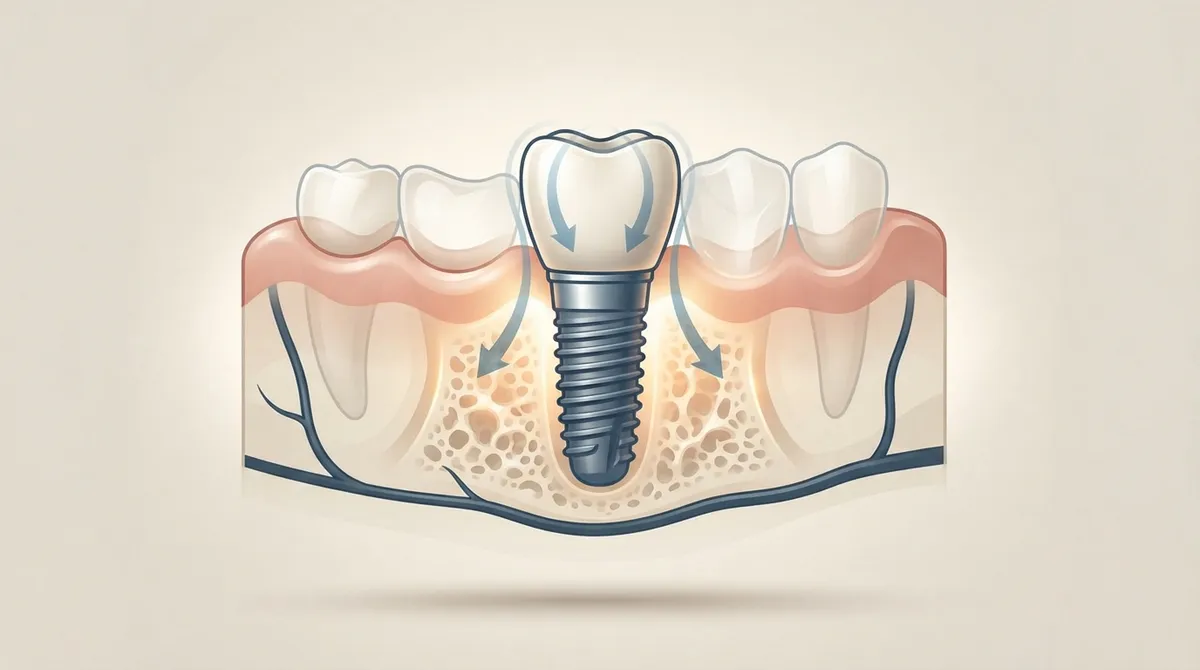
- Dental implants actively prevent future bone loss by transferring chewing pressure into the jawbone, unlike dentures, providing ongoing stimulation that keeps bone healthy and strong over time.
- Bone loss after implant placement is typically minimal (0.05-0.21mm annually), but smokers experience 0.26mm more bone loss over four years, making smoking cessation critical for implant longevity.
- Recent research confirms osteoporosis is not a dealbreaker for implants; multiple studies found no significant difference in implant survival rates between osteoporotic and healthy patients.
Hearing the words "you have bone loss" can feel scary, especially if you were hoping to get dental implants. Take a breath, friend. This is not the end of your smile journey. In fact, most patients with bone loss still qualify for implants once a dentist creates the right plan. At Charming Smiles of Ocoee, Dr. Aliuska Lopez and her team help patients throughout Ocoee understand their options every single day, and we want to walk you through the facts so you can feel confident and calm.
Bone loss and implants go hand in hand more often than people realize. Missing teeth, gum disease, and even aging can cause your jawbone to shrink over time. But modern dentistry has come a long way. Today's techniques, from bone grafting to advanced implant designs, mean that a thin jawbone rarely closes the door on your dream of a full, confident smile. Let's break down what you really need to know, in plain, simple terms.
1. Bone Loss Does Not Automatically Rule You Out
This is the biggest myth we hear at our office near Publix in Ocoee. Many patients assume that once they lose bone, implants are off the table forever. That is simply not true. Dentists today have several ways to rebuild bone or work around it, so implants stay a realistic option for most people.
- Bone grafting can add volume where your jaw has thinned
- Sinus lifts create more room in the upper jaw
- Guided bone regeneration encourages your body to grow new bone
- Shorter or angled implants can work in areas with less bone
- All-on-4 and similar full-arch solutions use your strongest remaining bone
If you are curious whether you're a candidate, a simple dental implants consultation can answer that question quickly.
2. Why Jawbone Shrinks in the First Place
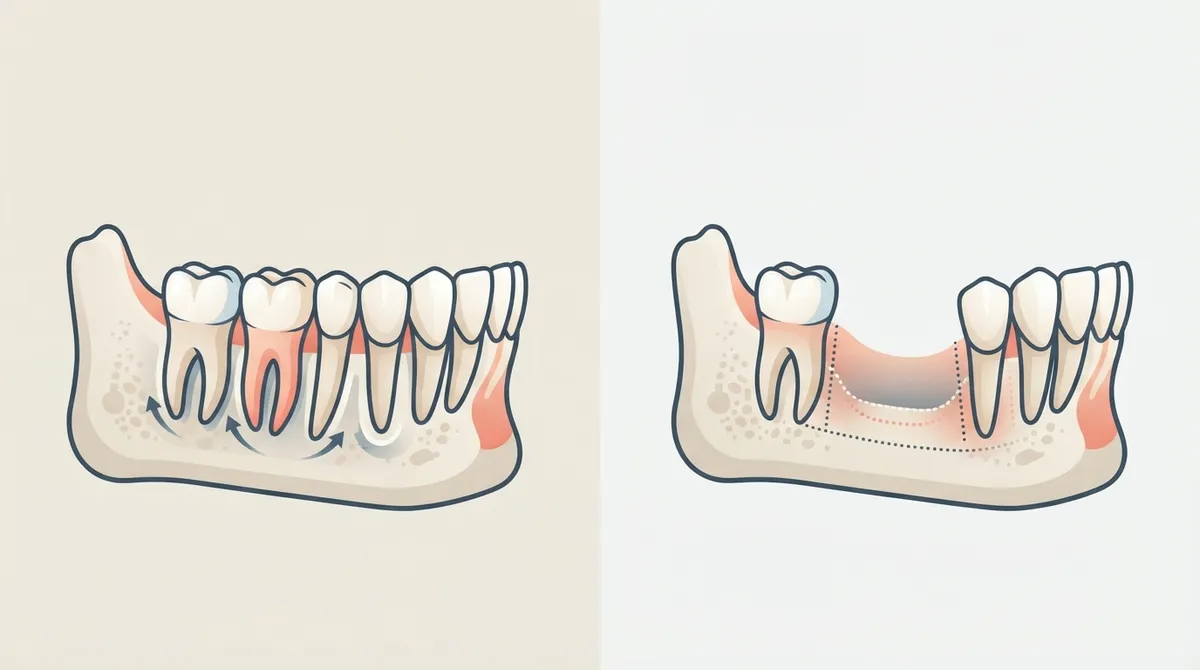
Your jawbone needs stimulation to stay strong. When a tooth is missing, the bone underneath no longer gets that daily workout from chewing. Over time, it starts to shrink away.
Common Causes of Jawbone Loss
- Missing teeth that go unreplaced for months or years
- Gum disease, also called periodontal disease
- Ill-fitting dentures that rub against the gums
- Facial trauma or injury
- Natural aging
This is one reason we always encourage patients not to wait too long after losing a tooth. The sooner you explore replacement options like dentures or implants, the more bone you preserve.
3. Common Procedures That Rebuild Bone for Implants
Modern dental implant planning includes several proven techniques to add bone where needed. Here is a simple breakdown of what each one does.
| Procedure | What It Does | Best For |
|---|---|---|
| Bone Grafting | Adds bone material to build up thin areas | Mild to moderate bone loss |
| Sinus Lift | Raises the sinus floor to add bone in the upper jaw | Upper back teeth with thin bone |
| Guided Bone Regeneration | Uses a membrane to guide new bone growth | Localized bone defects |
| Zygomatic Implants | Anchors implants into the cheekbone instead | Severe upper jaw bone loss |
| All-on-4 Technique | Uses angled implants in stronger bone areas | Full-arch tooth replacement |
Dr. Lopez reviews your X-rays and health history carefully before recommending any of these paths, so you always know what to expect before treatment begins.
4. How Dentists Decide Which Option Is Right for You
Every smile is different, so treatment plans are never one-size-fits-all. Here is the general process most patients go through.
- Comprehensive exam and digital X-rays to measure bone density
- Review of your health history, including smoking status and any autoimmune conditions
- Discussion of your goals, timeline, and budget
- Recommendation of grafting, sinus lift, or implant type based on your bone level
- A clear treatment plan with cost estimates and financing options
This step-by-step approach removes the guesswork and helps you feel in control of your dental health decisions.
5. What Counts as Too Much Bone Loss
Patients often ask, "How much bone loss is too much for implants?" The honest answer is that there is rarely a hard stop. Even patients with severe bone loss can often qualify for implants using grafting or specialized techniques like zygomatic implants.
That said, more advanced bone loss usually means a longer treatment timeline. You may need a grafting procedure first, then a healing period before the implant itself is placed. Patience pays off here, because a strong foundation means a stronger, longer-lasting result.
6. Bone Loss Around Existing Implants: What Causes It
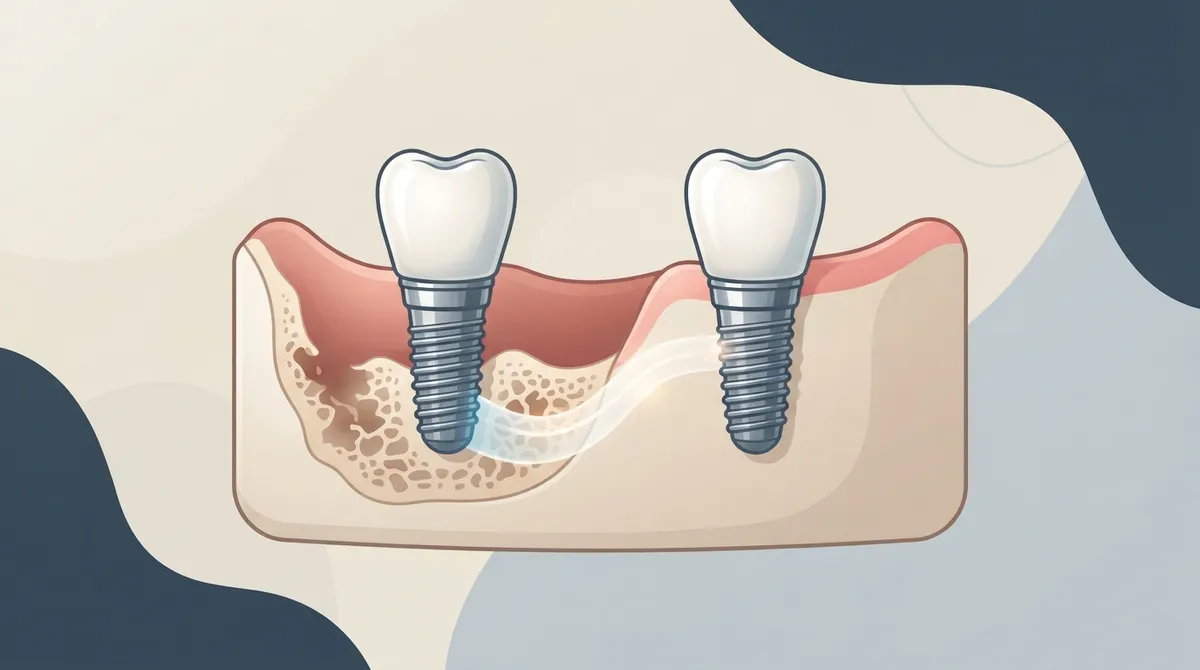
Bone loss and implants also refers to changes that can happen after your implant is already in place. This is a different concern from pre-implant bone loss, and it is worth understanding too.
- Peri-implantitis, an infection around the implant, is the most common cause
- Smoking significantly increases bone loss risk over time
- Poor oral hygiene allows bacteria to build up near the implant
- Excess bite force or grinding can stress the surrounding bone
- Certain autoimmune conditions may contribute to higher risk
Research shows real numbers here. One 2024 study found average bone loss around implants was just 0.05 mm at 2 to 3 years, growing to about 0.21 mm by year eight. Smokers, however, showed roughly 0.26 mm more bone loss than nonsmokers over four years. This is one more reason we always talk with patients honestly about smoking and its effects on healing.
7. How Dentists Monitor Bone Health After Implant Placement
Once your implant is placed, monitoring does not stop. Regular checkups let your dentist catch small changes before they become big problems.
What Monitoring Usually Includes
- Routine dental X-rays to track bone levels around the implant
- Checking for bleeding on probing, a sign of possible inflammation
- Watching for early signs of peri-implantitis
- Reviewing your home care routine and adjusting as needed
One widely cited success standard is that after the first year, annual marginal bone loss should stay under 0.2 mm. Staying consistent with your general dentistry visits helps your dental team track this closely.
8. Is Osteoporosis a Dealbreaker for Implants?
This is a big worry for many of our patients, especially in our affluent seniors community here in Ocoee. The good news is that recent research is reassuring.
- A 2023 meta-analysis found no significant difference in implant survival between patients with and without osteoporosis
- A 2026 systematic review reported no significant differences in implant survival, failure rates, or bone loss between osteoporotic patients and healthy controls
- An earlier 2017 review also found no detrimental effect on implant failure rates or osseointegration
While some studies note slightly more peri-implant bone loss in osteoporosis patients, survival rates remain strong. Individualized planning still matters, so be sure to share your full medical history during your consultation.
9. Do Dental Implants Actually Help Prevent Future Bone Loss?
Here is some genuinely good news. Dental implants do more than replace a missing tooth. They also help preserve your jawbone going forward.
When you chew, the implant transfers that pressure down into the jawbone, just like a natural tooth root would. This ongoing stimulation helps keep the bone active and healthy. That is one reason implants are often preferred over removable options when a patient qualifies, since dentures alone do not provide this same stimulation.
10. Steps to Take If You Are Worried About Bone Loss
If you think bone loss might affect your ability to get implants, here is a simple, friendly action plan.
- Schedule a consultation to get digital X-rays and an honest bone assessment
- Ask your dentist directly about grafting or sinus lift options
- Share your full health history, including smoking habits and any bone-related conditions
- Discuss financing, since many patients use insurance & financing options or a dental savings plan to manage costs
- Follow your dentist's home care instructions closely after treatment
Our team at Charming Smiles of Ocoee also offers a free dental implant consultation, plus $200 off implant treatment, so you can explore your options without pressure.
Why Ocoee Patients Trust Charming Smiles for Implant Care
Dr. Lopez has built a reputation across Ocoee as a caring, detail-oriented smile expert who takes time to explain every step. Our spa-like office near Publix offers pillows, blankets, aromatherapy, and calming entertainment, so even patients with dental anxiety feel at ease during implant consultations and treatment. You can browse our current specials to see how affordable getting started can be.
We also welcome most major insurance plans, including Delta Dental, Cigna, Aetna, MetLife, and more, and we offer flexible financing through CareCredit, Alphaeon Credit, and Cherry Financing. If you want to see what real patients say about their experience, feel free to visit our Charming Smiles of Ocoee location on Google and read their reviews for yourself. You can also check out our Charming Smiles Facebook page or Charming Smiles Instagram page for patient stories and smile transformations.
For general background on how bone density affects oral health, resources from the National Institute of Dental and Craniofacial Research can also be helpful as you do your own research.
Your Next Step Toward a Confident Smile
Bone loss and implants do not have to be scary words. With the right plan, most patients can still enjoy a strong, natural-looking smile that lasts for years. Whether you need grafting, a sinus lift, or a straightforward implant, our team is ready to guide you with warmth and honesty every step of the way.
Ready to find out if implants are right for you? You can book online today, or simply call us at (407) 378-3704 to schedule your free consultation. We would love to help you take that next confident step toward a healthier, happier smile.
FAQs
Q: Can you get dental implants if you have bone loss?
A: Yes, in most cases! Bone loss does not automatically rule out implants. Dentists can use bone grafting, sinus lifts, or specialized implant designs to build a solid foundation for your new smile.
Q: How much bone loss is too much for dental implants?
A: There is rarely a hard limit. Even patients with severe bone loss can often qualify using techniques like zygomatic implants or grafting, though treatment may take a bit longer to complete.
Q: What causes bone loss around dental implants?
A: The most common cause is peri-implantitis, an infection around the implant. Smoking, poor oral hygiene, and certain autoimmune conditions can also increase your risk over time.
Q: Are dental implants safe if you have osteoporosis?
A: Recent research is very reassuring here. Multiple studies, including a 2026 systematic review, found no significant difference in implant survival between patients with osteoporosis and those without it.
Q: Do dental implants help prevent future jawbone loss?
A: Yes! Implants transfer chewing pressure into your jawbone, just like a natural tooth root. This ongoing stimulation helps keep your bone healthy and strong for years to come.