10 Eating Ability With Implants Mistakes to Avoid
Avoid these 10 common mistakes with eating ability after dental implants and heal faster while protecting your new smile in Ocoee, FL.
Key Takeaways
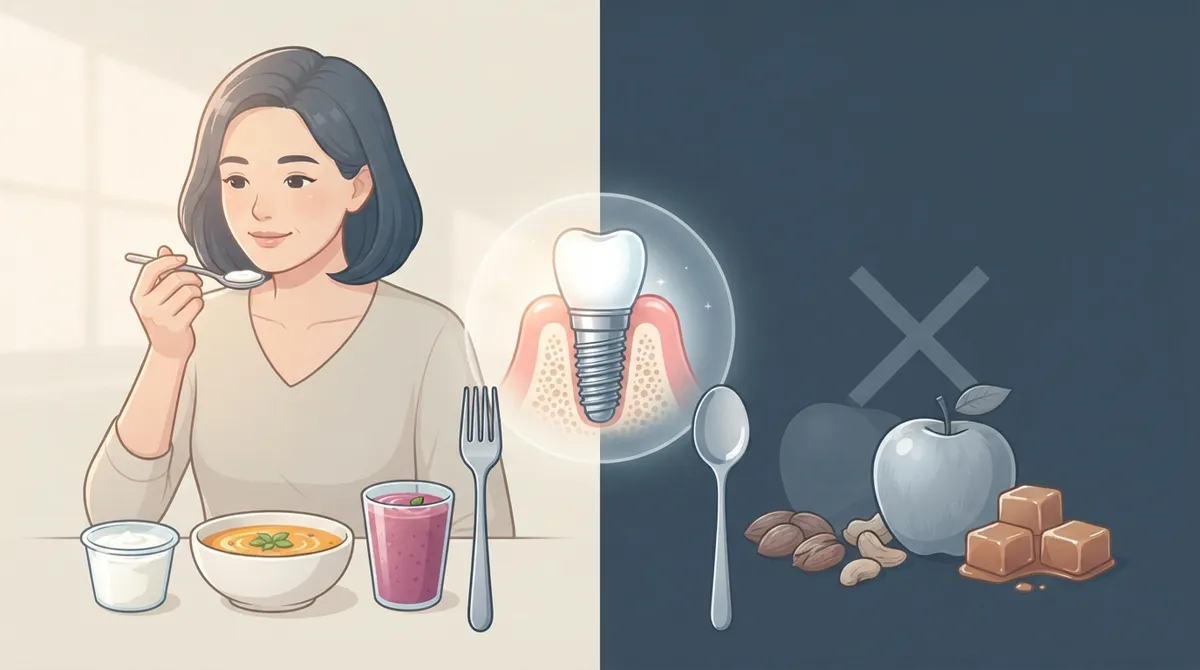
- Avoid rushing back to hard foods—implants need 1-2 weeks of soft foods minimum for osseointegration, with complex cases requiring 3-6 months of full healing before normal chewing resumes.
- Follow your dentist's personalized recovery timeline instead of generic online advice, as healing varies by implant type, bone health, and number of teeth replaced.
- Even after full healing, slice hard foods like apples and avoid sticky foods like caramel, as the implant crown can chip or crack despite the implant itself being solid.
- Chew evenly on both sides of your mouth and maintain good nutrition during soft-food recovery to prevent uneven wear, jaw discomfort, and support proper healing with protein and vitamins.
Getting dental implants is exciting. You picture yourself biting into a crisp apple or enjoying a juicy steak without a second thought. But here's the truth: many patients accidentally slow down their own healing or damage their new smile by making simple, avoidable mistakes. At Charming Smiles of Ocoee, we've guided countless patients through implant recovery, and we've seen the same slip-ups happen again and again.
The good news? Your eating ability with implants can absolutely return to near-normal levels. Some clinical summaries suggest implants restore up to 90% of natural chewing function, a huge improvement over traditional dentures. But getting there means avoiding a few common pitfalls along the way. Whether you're a busy parent in Ocoee juggling family meals, a senior replacing missing teeth, or someone finally ready to enjoy food again without pain, this guide will help you eat smarter and heal faster.
1. Rushing Back to Hard Foods Too Soon
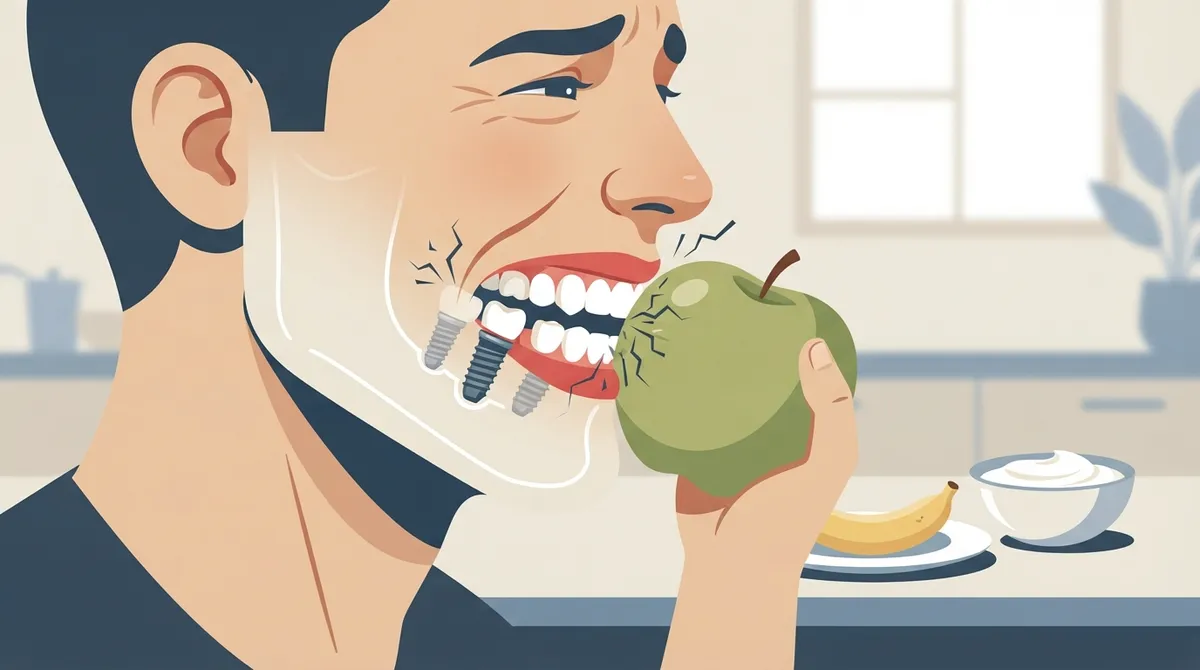
This is the number one mistake we see. Patients feel great a few days after surgery and think they're ready for a crunchy sandwich or a handful of almonds. Your implant needs time to fuse with your jawbone, a process called osseointegration. Pushing hard foods too early can shift the implant before it's fully stable.
Most dentists recommend a soft-food diet for the first one to two weeks, sometimes longer depending on your case. Full healing for more complex treatments, like dental implants involving bone grafting, can take three to six months.
Safe Soft Foods During Early Recovery
- Mashed potatoes and soft-cooked vegetables
- Scrambled eggs or omelets
- Yogurt and smoothies without seeds
- Soups (lukewarm, not hot)
- Oatmeal or well-cooked rice
- Soft fish or ground meats
2. Ignoring Your Dentist's Personalized Timeline
Every mouth is different. Some patients heal faster than others. Following generic online advice instead of your dentist's specific instructions is a mistake that can backfire. Dr. Aliuska Lopez and the team at Charming Smiles of Ocoee create a custom recovery plan based on your implant type, your bone health, and how many teeth were replaced.
For All-on-4 type treatments, some clinics estimate a return to a regular diet around six to eight weeks, though some patients need three to four months. If you're unsure where you stand, don't guess. Reach out and call us at (407) 378-3704 to check in.
3. Skipping Follow-Up Appointments
Follow-up visits aren't just a formality. They're how your dentist confirms your implant is integrating properly and tells you when it's safe to expand your diet. Skipping these appointments means you're guessing about your own healing progress, which is risky.
Regular checkups also catch small problems early, before they become painful or expensive. This is especially important for our senior patients, who may heal more slowly and benefit from closer monitoring.
4. Biting Directly Into Hard Foods Like Apples or Nuts
Even after full healing, biting straight into whole apples, hard candies, or nuts remains one of the top eating mistakes. Interestingly, research backs this up. A PubMed-indexed study found that 30% to 50% of implant patients still avoided foods like carrots and apples, even after their chewing satisfaction improved significantly.
Why? The implant itself might be rock solid, but the crown on top can still chip or crack under repeated hard impacts. The smarter move is slicing apples into thin pieces or choosing softer fruit varieties.
| Food Type | Risk Level for Implants | Better Alternative |
|---|---|---|
| Whole raw apple | Moderate to High | Sliced apple, cooked apple |
| Ice cubes | High | Cold drinks without chewing ice |
| Hard nuts | High | Nut butters, soft-roasted nuts |
| Caramel or taffy | Very High | Soft chocolate, pudding |
| Crusty bread | Moderate | Soft rolls, toasted lightly |
5. Chewing Sticky or Extremely Chewy Foods
Caramel, taffy, and chewing gum might seem harmless, but they put constant stress on your implant crown. This sticky pulling motion can loosen restorations over time, even in patients whose implants are otherwise perfectly healthy.
If you love chewy snacks, consider softer alternatives that don't tug at your teeth. Your implant is built to last decades, but only if you protect the crown on top the same way you'd protect a natural tooth.
6. Not Chewing Evenly on Both Sides
Many patients unconsciously favor one side of their mouth after implant surgery, especially if they had a tooth removed on that side. This habit can continue even after healing, creating uneven wear and potential jaw discomfort.
Try to consciously alternate sides while eating. This distributes bite force evenly and helps your implant function the way nature intended, just like a healthy, natural set of teeth.
7. Overlooking Nutrition During the Soft-Food Phase
It's tempting to live on mashed potatoes and pudding during recovery, but that's not great for long-term healing. Your body needs protein, vitamins, and minerals to heal implant sites properly. A review of 18 studies found that implants generally improved chewing efficiency and bite force, though nutritional outcomes varied depending on diet quality.
Nutrient-Rich Soft Food Ideas
- Protein smoothies with Greek yogurt and fruit
- Scrambled eggs with soft cheese
- Blended vegetable soups with beans
- Soft-cooked salmon or flaky white fish
- Cottage cheese with mashed banana
- Well-cooked quinoa or soft pasta
8. Drinking Through a Straw Too Early
This one surprises a lot of patients. Using a straw right after implant surgery, especially if it was combined with an extraction, can create suction that disrupts healing tissue. Wait until your dentist gives you the green light, usually after the first few days.
9. Assuming All Implants Heal on the Same Schedule
Single-tooth implants, multiple implants, and full-arch solutions like All-on-4 don't follow identical timelines. Clinical guidance often describes a return to normal chewing in roughly six to eight weeks for simpler cases, while more complex treatments can take three to six months for complete healing.
This is why personalized care matters so much. At Charming Smiles of Ocoee, we don't hand out one-size-fits-all instructions. We tailor your eating plan to your specific implant type and healing pace.
10. Giving Up on Certain Foods Permanently Out of Fear
Here's the flip side of caution: some patients become so nervous about damaging their implants that they avoid entire food groups forever, even after full healing. This is understandable, but it's often unnecessary. Studies show implants can help you eat more fibrous, nutrient-dense foods, supporting better overall diet quality and quality of life.
Once your dentist confirms you're fully healed, most patients can gradually reintroduce firmer foods with reasonable care. The goal isn't permanent restriction. It's smart, informed eating that protects your investment while letting you enjoy your favorite meals again.
What Real Recovery Looks Like
Patients often ask how long the whole process really takes. Here's a general breakdown, though your dentist will confirm specifics for your case.
- Days 1 to 3: Soft, cool foods only. Avoid straws and hot liquids.
- Week 1 to 2: Gradually add lukewarm soups and soft-cooked foods.
- Weeks 3 to 6: Introduce semi-firm foods as swelling subsides.
- Weeks 6 to 8: Many single implants are ready for near-normal eating.
- Months 3 to 6: Complex cases, including bone grafts or All-on-4, reach full healing.
If you're comparing options before committing to treatment, our guide on dental implants versus dentures breaks down why so many patients ultimately choose implants for better long-term chewing function.
Why Choose Charming Smiles of Ocoee for Your Implant Journey
Located near Publix in Ocoee, our practice combines advanced technology with a genuinely relaxing, spa-like atmosphere. Dr. Aliuska Lopez is known throughout the community as a skilled smile expert who takes time to explain every step, including exactly what you can and cannot eat during recovery.
We also understand dental anxiety is real. That's why we offer aromatherapy, cozy blankets, and entertainment options during your visits. You can explore our insurance and financing options or check our current specials, including a free dental implant consultation, to get started without financial stress.
Curious what other Ocoee families and patients say about their experience? You can visit us on Google to see reviews from our Charming Smiles of Ocoee patients, or follow along on our Charming Smiles Facebook page and Charming Smiles Instagram page for real patient stories and smile transformations.
Ready to Eat With Confidence Again?
Avoiding these ten common mistakes can make the difference between a smooth recovery and unnecessary setbacks. Dental implants are designed to give you back the eating ability you've been missing, but only when paired with patience and the right guidance.
If you're ready to explore whether implants are right for you, take advantage of our free consultation and get answers tailored to your unique smile. You can also book online at a time that works for your schedule. For more information about hours and availability, check out our location, or simply call us at (407) 378-3704 to speak with our friendly team today.
FAQs
Q: Can you eat normally with dental implants?
A: Yes! Once your implant fully heals, most patients enjoy eating almost anything they want, including fibrous fruits and veggies. Some clinical summaries even suggest implants restore up to 90% of natural chewing function, which is a wonderful improvement over dentures.
Q: How long after dental implants can I eat solid food?
A: It really depends on your case, but many patients return to solid foods within six to eight weeks. More complex treatments, like full-arch implants, may take three to six months for complete healing before solid foods feel totally comfortable.
Q: What foods should I avoid after dental implant surgery?
A: Stick to soft foods like mashed potatoes, yogurt, and scrambled eggs for the first couple weeks. Avoid hard, crunchy, or sticky foods like nuts, ice, and caramel until your dentist confirms you're fully healed.
Q: Do dental implants improve chewing more than dentures?
A: Absolutely. Implants are anchored directly into your jawbone, giving you much better stability and bite force compared to removable dentures. Many patients tell us food actually tastes better because they can chew with confidence again.
Q: Why do some people still avoid hard foods after implants heal?
A: It's often more about habit than necessity. Studies show 30 to 50 percent of implant patients still avoid foods like raw apples or carrots out of caution, even though their implants are perfectly stable. With gradual reintroduction, most patients can enjoy these foods again.