10 Easy Ways to Clean Around a Crown in 2026
Learn 10 simple, dentist-approved steps for cleaning around a crown to protect your smile and prevent gum issues in Ocoee, FL.
Key Takeaways
- Brush twice daily with a soft-bristled toothbrush using gentle circular motions, angling bristles toward the gumline where the crown meets your natural tooth to prevent decay and gum irritation.
- Floss daily by curving it into a C shape against the crown and moving it up and down along the margin; for temporary crowns, slide floss out sideways instead of pulling upward to avoid dislodging the weaker cement.
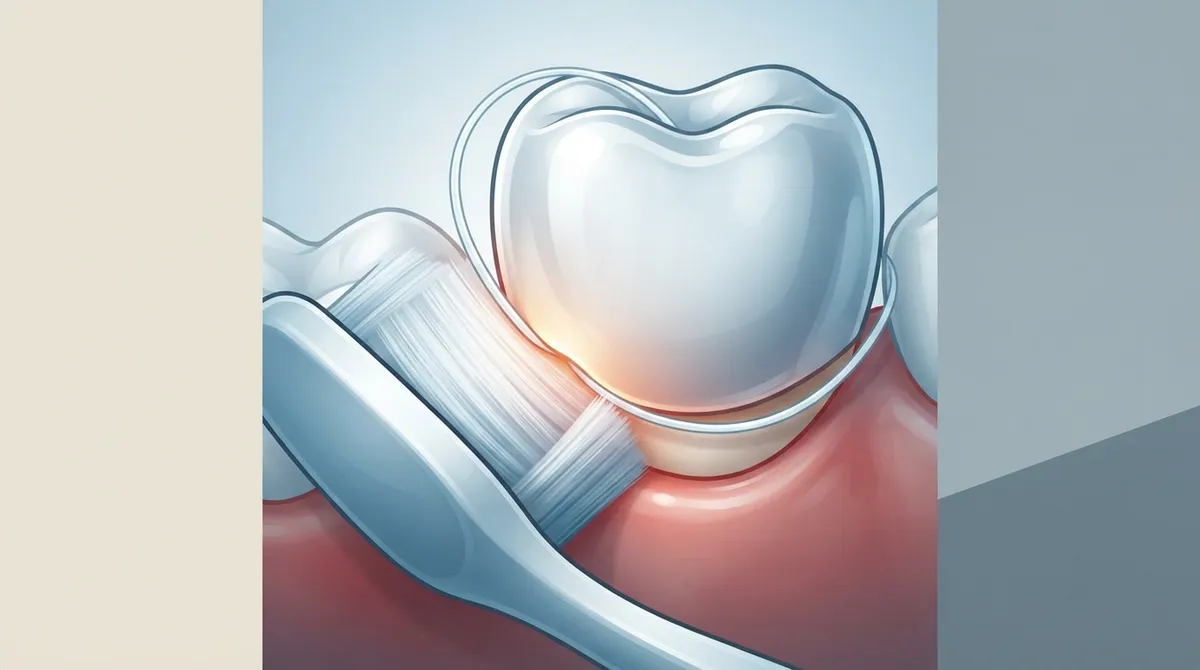
- Pay special attention to the gumline where your crown meets your natural tooth, as plaque buildup at this junction can lead to inflammation or decay of the vulnerable tooth underneath.
- Avoid damaging habits like chewing ice, grinding teeth without a guard, eating sticky foods, and using your teeth to open packages, as these stress the crown and shorten its lifespan.
- Use fluoride toothpaste and antibacterial mouthwash to strengthen the natural tooth structure under your crown and reduce bacteria that contribute to gum disease around the crown margin.
- Attend professional dental checkups every six months so your hygienist can remove tartar buildup and detect early warning signs like gaps at the margin or gum recession that home care cannot address.
Getting a dental crown can feel like a fresh start for your smile. But that shiny new crown needs some special care to stay healthy for years to come. Many patients at Charming Smiles of Ocoee ask us the same question: how do I clean around a crown without messing it up? We get it. Crowns feel different from your natural teeth, and it is easy to worry about doing something wrong. Here is some good news. Cleaning around a crown is not complicated once you know the right steps. Your crown covers a tooth, but the gumline and the edge where the crown meets your natural tooth still need daily attention. Skip this care, and you risk gum irritation or decay right where the crown meets your tooth. In this friendly guide, we will walk through ten simple, effective ways to keep your crown clean and your smile bright. Whether you have a permanent crown or a temporary one while you wait for your final restoration, these tips will help you protect your investment and your oral health for the long run.
1. Brush Gently But Thoroughly Twice a Day
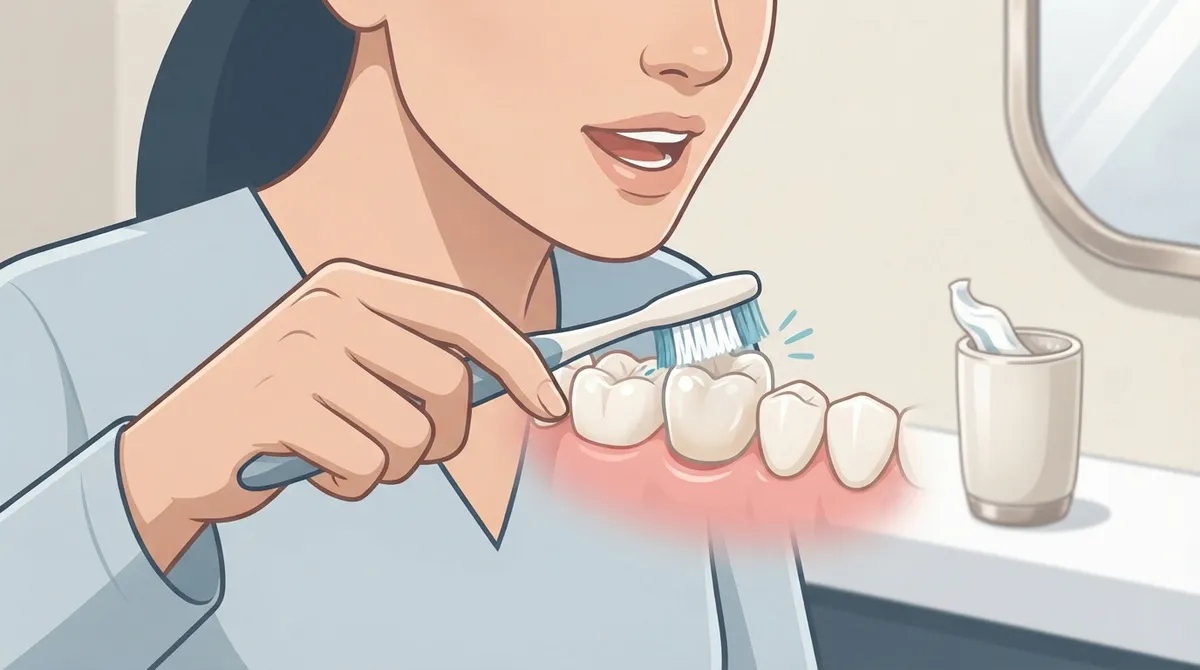
Your crown needs the same basic care as your natural teeth. The American Dental Association recommends brushing twice daily with fluoride toothpaste, spending about two minutes each time. Use a soft-bristled toothbrush and aim the bristles toward your gumline. Small, gentle circular motions work best on the crown, the teeth next to it, and the surrounding gum tissue. Do not scrub too hard. Crowns are strong, but aggressive brushing can wear down the edges over time or irritate your gums. Think gentle and steady, not fast and forceful.
2. Floss Around Your Crown Every Day
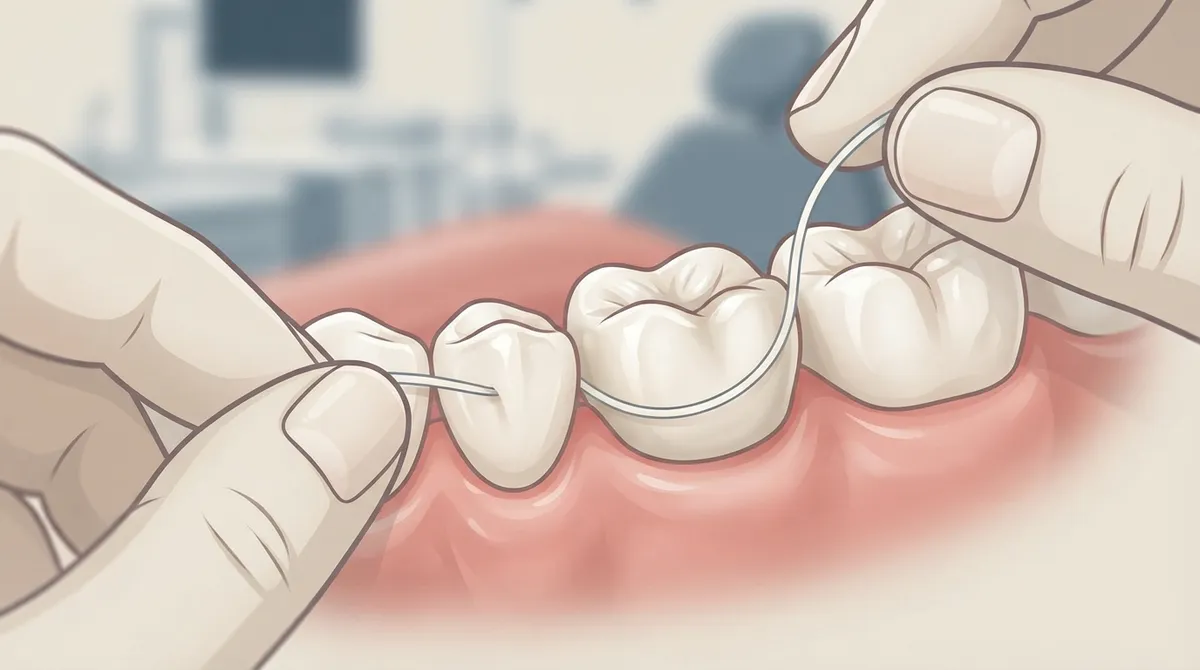
Brushing alone cannot reach the tight spaces between your teeth. That is where flossing comes in. The ADA notes that toothbrush bristles simply cannot clean between teeth effectively, which is why interdental cleaning matters so much for crown care. Guide the floss gently through the contact point between your crown and the neighboring tooth. Avoid snapping it down into your gums, since this can cause pain or bleeding. Instead, curve the floss into a C shape against the side of your crown and move it up and down slowly along the margin where the crown meets your tooth.
Standard Flossing Length and Technique
Most dental experts recommend using about 12 to 18 inches of floss for controlled cleaning. This gives you enough length to use a fresh section for each tooth, which helps prevent spreading bacteria around your mouth. If you find traditional floss tricky to manage, an interdental brush or floss holder can make the job easier, especially around a crown.
3. Pay Special Attention to the Gumline
The spot where your crown meets your natural tooth is one of the most important areas to clean. Plaque loves to build up right at this junction. Over time, that buildup can lead to gum inflammation or even decay at the edge of the crown, since the tooth underneath is still natural and vulnerable. When you brush, angle your toothbrush slightly toward the gumline instead of straight at the tooth surface. This small adjustment helps dislodge plaque that collects right where your gums and crown meet.
4. Consider a Water Flosser for Extra Cleaning Power
Many patients find water flossers helpful for cleaning around crowns, especially if they have limited dexterity or find traditional floss uncomfortable. A gentle stream of water can flush out food particles and plaque from around the crown margin without putting pressure on delicate gum tissue. If you decide to try a water flosser, start on a lower pressure setting and gradually increase it as your gums adjust. This tool works well alongside regular flossing rather than as a complete replacement for it.
5. Use the Right Toothpaste and Mouthwash
Stick with a fluoride toothpaste to protect the natural tooth structure underneath your crown. Fluoride strengthens enamel and helps prevent decay at the crown margin, which is the most vulnerable spot. Cleveland Clinic guidance also recommends using an antibacterial mouthwash as part of your daily routine. Rinsing after brushing and flossing can reach areas you might have missed and help reduce bacteria that contribute to gum disease around your crown.
6. Clean Temporary Crowns With Extra Care
If you are waiting for your permanent crown, you likely have a temporary one in place right now. Temporary crowns use weaker cement, so they need a gentler touch. When flossing around a temporary crown, slide the floss out sideways instead of pulling it straight up. Pulling upward can accidentally dislodge the temporary crown. Always follow the specific instructions your dentist gives you after placing a temporary crown. Every case is a little different, and crowns & bridges care can vary depending on your unique situation.
Quick Comparison: Permanent vs Temporary Crown Care
| Care Step | Permanent Crown | Temporary Crown |
|---|---|---|
| Flossing Direction | Pull up and out normally | Slide out sideways |
| Brushing Pressure | Gentle circular motion | Extra gentle, avoid pressure on edges |
| Sticky Foods | Avoid to protect longevity | Strictly avoid, can dislodge cement |
| Ice Chewing | Never recommended | Never recommended |
| Checkup Frequency | Every 6 months | Follow dentist's timeline for permanent placement |
7. Avoid Habits That Damage Your Crown
A few everyday habits can shorten the life of your crown or cause it to loosen. Here are some things to avoid:
- Chewing ice cubes or hard candy
- Using your teeth to open packages or bottles
- Biting your nails
- Eating extremely sticky or chewy foods, especially with temporary crowns
- Grinding your teeth at night without a protective guard
These habits put unnecessary stress on your crown and the surrounding teeth. If you grind your teeth, ask your dentist about a nightguard to protect your investment.
8. Watch for Warning Signs That Need Attention
Even with great home care, sometimes a crown needs a dentist's evaluation. Here are signs to watch for:
- The crown feels loose or wiggly when you bite down
- You notice a crack or chip on the surface
- Persistent sensitivity or pain around the crowned tooth
- Food keeps getting trapped in the same spot
- You feel a rough or sharp edge with your tongue
- Floss repeatedly catches, shreds, or will not pass through smoothly
Any of these signs could point to a problem with the crown itself, the fit, or the tooth underneath. Do not wait if something feels off. Call our team and we will get you seen quickly, sometimes even the same day if you need emergency dentistry care.
9. Keep Up With Regular Dental Checkups
Home care is essential, but it cannot replace professional cleanings and exams. Your dentist and hygienist can spot early signs of trouble around your crown that you might miss on your own, like small gaps at the margin or subtle gum recession. Most patients benefit from a checkup every six months, though some situations call for more frequent visits. During these appointments, we can polish your crown, check the fit, and clean areas that are hard to reach at home. If you are due for a visit, regular checkups at our Ocoee office help keep your whole smile in top shape.
Why Professional Cleanings Matter So Much
Plaque that hardens into tartar cannot be removed with a toothbrush alone. Only a dental hygienist has the tools to safely clear tartar buildup around your crown without damaging it. Regular visits also give us a chance to catch small issues before they become bigger, more expensive problems.
10. Choose a Dental Team That Understands Crown Care
Not every dental office puts the same care into helping patients understand how to protect their crowns at home. At Charming Smiles of Ocoee, Dr. Aliuska Lopez and our team take time to walk you through exactly what your specific crown needs, whether it is a same-day crown, a traditional porcelain crown, or a temporary one while you wait. We know that many patients feel nervous about dental visits, and that is exactly why our office is designed to feel more like a spa than a clinic. From calming amenities to a truly patient-first approach, we want every visit to feel comfortable. You can book online whenever it is convenient for you, or give us a call directly. Many of our patients in Ocoee have shared their experiences online, and we encourage you to see what our Charming Smiles of Ocoee patients say on Google before your first visit. You can also connect with us on the Charming Smiles Facebook page or follow along on the Charming Smiles Instagram page for smile tips and patient stories.
Building a Simple Daily Routine for Crown Care
Let's put it all together into one simple routine you can follow every day:
- Morning: Brush gently for two minutes, focusing on the crown margin and gumline
- Throughout the day: Avoid hard, sticky, or extremely chewy foods
- Evening: Floss carefully around the crown using proper technique, then brush again
- Weekly: Check for any looseness, sharp edges, or changes around the crown
- Every six months: Visit your dentist for a professional cleaning and checkup
This routine takes just a few extra minutes each day, but it makes a real difference in how long your crown lasts and how healthy your gums stay around it.
Frequently Asked Questions About Cleaning Around a Crown
We hear a lot of great questions from patients about crown care. Below are answers to some of the most common ones. And remember, if you ever have concerns about your crown or want a professional opinion, call us at (407) 378-3704 or visit our location in Ocoee. Our friendly team is always happy to help you keep your smile healthy and confident for years to come.
FAQs
Q: How should I floss around a dental crown?
A: Gently guide the floss through the contact point instead of snapping it down. Curve it into a C shape against the crown and move it up and down along the margin. This protects both your gums and the crown edge.
Q: Can flossing loosen or remove a permanent crown?
A: Normal, gentle flossing should not loosen a well-fitted permanent crown. The concern is mostly with temporary crowns, which use weaker cement. For those, slide the floss out sideways instead of pulling straight up.
Q: Is a water flosser safe to use around a dental crown?
A: Yes, water flossers are generally safe and can be a great addition to your routine. Start on a low pressure setting to avoid irritating your gums, and use it alongside regular flossing for best results.
Q: How do I clean around a temporary crown?
A: Be extra gentle since temporary cement is weaker. Slide floss out sideways rather than pulling up, avoid sticky or chewy foods, and always follow your dentist's specific care instructions for that temporary restoration.
Q: Why does food keep getting stuck around my crown?
A: This can happen if the crown's fit has shifted slightly or if there is a gap at the margin. If food traps in the same spot repeatedly, it is worth having your dentist check the crown to rule out any issues.