10 Dental Implant Requirements You Must Know (2026)
Discover the 10 key dental implant requirements, from jawbone health to material safety standards, explained simply by Charming Smiles of Ocoee.
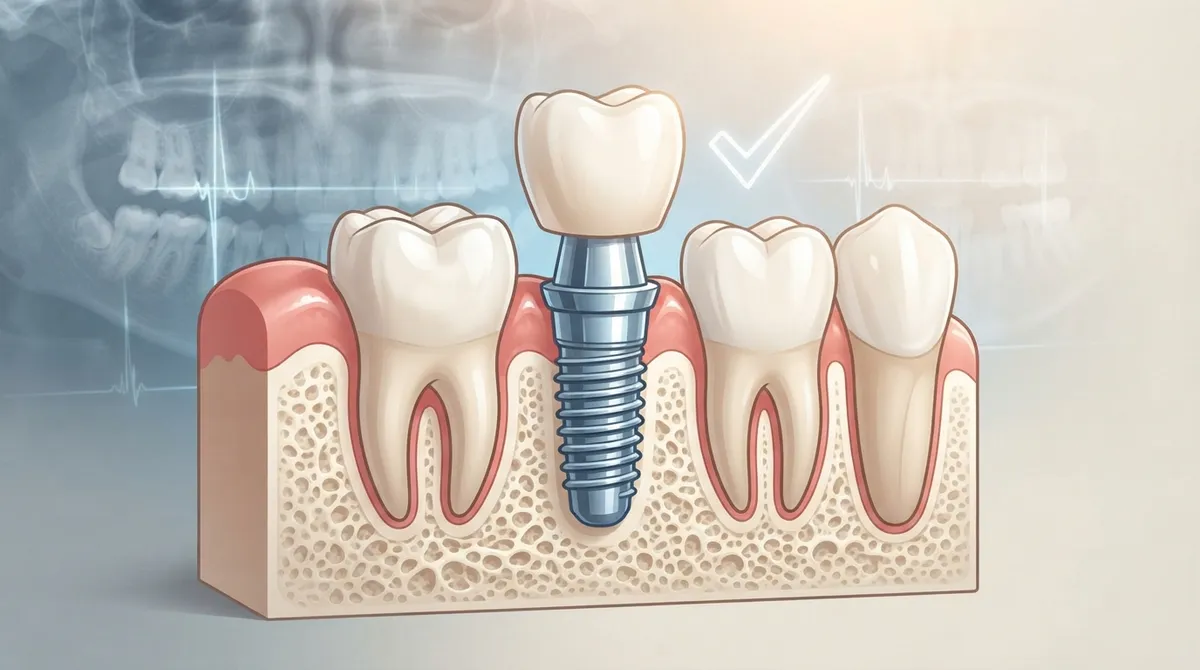
Key Takeaways
- Adequate healthy jawbone is essential; if bone loss exists, bone grafting can rebuild it, checked via X-rays or 3D scans during consultation.
- Gum disease must be treated before implants since infected gums prevent proper implant support and increase failure risk.
- Smoking significantly reduces implant success by restricting blood flow; quitting or cutting back before surgery greatly improves outcomes.
- Overall health conditions like uncontrolled diabetes and autoimmune disorders can slow healing, but managed conditions don't disqualify candidates.
- Proper bite alignment and adequate spacing between teeth are required; crowded teeth may need orthodontic correction first for successful implant placement.
- Implants use FDA-regulated materials meeting safety standards (ASTM F67, F136); commitment to daily oral hygiene like brushing and flossing prevents peri-implantitis.
Thinking about dental implants to fix your smile? That's wonderful news! Before you jump in, it helps to know what your mouth and body need for this treatment to work well. Dental implant requirements are simply the checklist your dentist uses to make sure implants will be safe and successful for you.
At Charming Smiles of Ocoee, we love walking patients through this process step by step. Dr. Aliuska Lopez and her caring team want you to feel confident and informed, not confused. This guide breaks down everything into simple, friendly terms so you know exactly what to expect.
Whether you're missing one tooth or several, understanding these requirements helps you plan ahead. Let's dig into the 10 key things that matter most for dental implant success.
1. Enough Healthy Jawbone
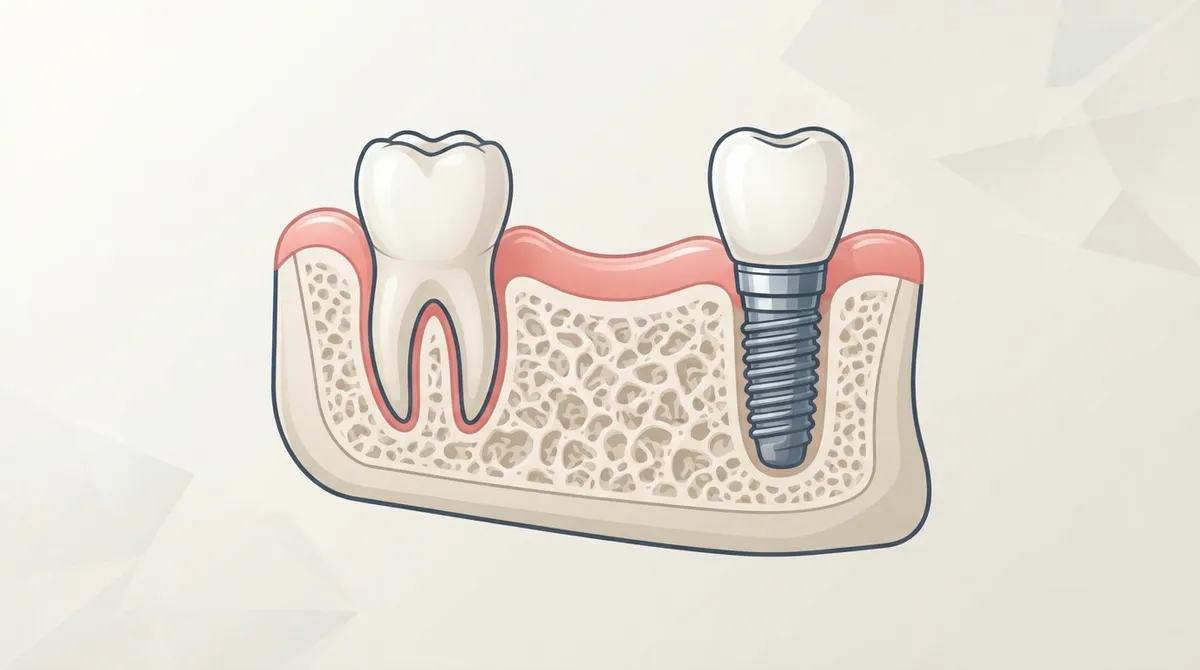
Your jawbone is the foundation for any implant. Think of it like the soil you need before planting a tree. Without enough bone, the implant post has nothing sturdy to hold onto.
Bone loss often happens after teeth have been missing for a while. It can also happen due to gum disease or old age. Many senior patients in Ocoee worry about this, but don't panic. Bone grafting can rebuild lost bone in many cases.
Your dentist will check your jawbone using X-rays or 3D scans. This tells them exactly how much bone you have and where. It's a simple, painless part of your dental implants consultation.
2. Healthy Gums Free of Disease
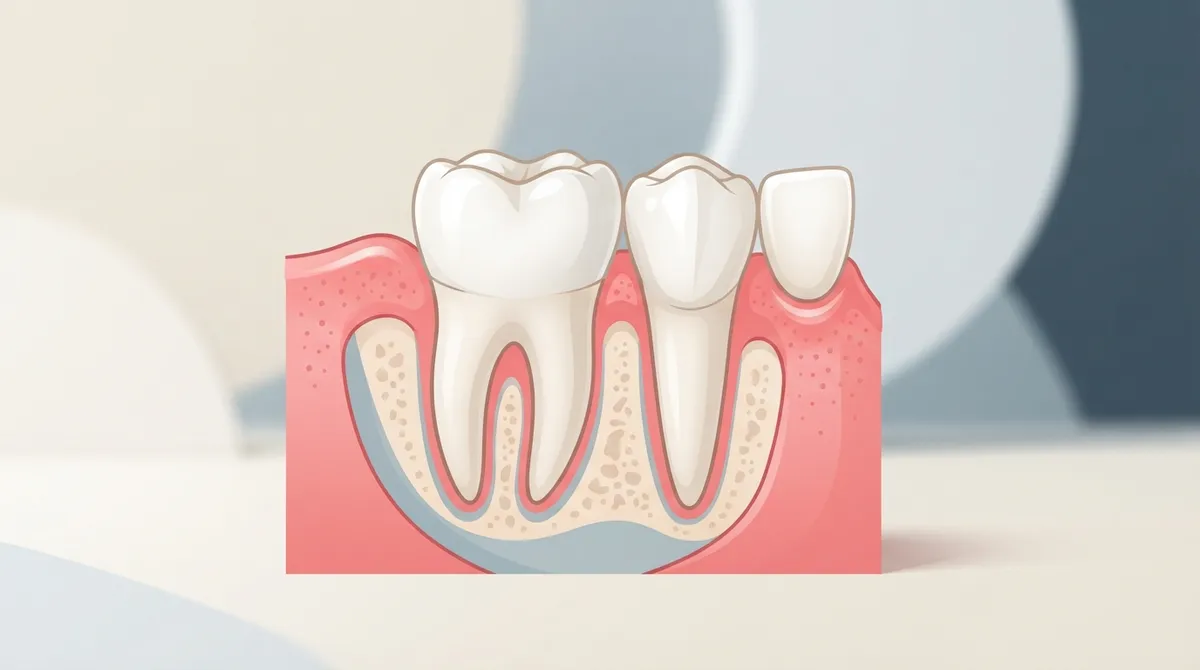
Gum disease is one of the biggest roadblocks to implant success. Infected or inflamed gums can't support an implant properly. The bacteria causing gum disease can also spread and cause the implant to fail.
Before any implant work begins, your dentist will check for signs of gingivitis or periodontitis. If gum disease is found, treatment comes first. This might include deep cleanings or periodontal services to get your gums back to a healthy state.
Good news: most gum issues can be treated. Once your gums are healthy, you're one big step closer to getting implants.
3. Good Overall Health for Healing
Your body needs to heal well around the implant. This process is called osseointegration, where the bone actually fuses to the implant post. Certain health conditions can slow this healing down.
- Uncontrolled diabetes can affect healing time
- Heart conditions may require special precautions
- Autoimmune disorders sometimes complicate treatment
- Osteoporosis medications can impact bone healing
- Smoking significantly reduces implant success rates
Don't worry if you have one of these conditions. Many patients with managed health issues still get successful implants. Your dentist will work with your doctor if needed to create a safe plan.
4. Non-Smoking Status (or Willingness to Quit)
Smoking is one of the top reasons implants fail. Nicotine restricts blood flow to your gums and bone. This slows healing and raises your risk of infection.
If you smoke, your dentist may ask you to quit or cut back before surgery. Many patients successfully do this and go on to have great implant results. It's worth the effort for a smile that lasts for years.
5. Adequate Space and Proper Bite Alignment
Your dentist needs enough room to place the implant correctly. This includes space between neighboring teeth and enough vertical room from your opposing teeth. Crowded teeth or bite problems can sometimes complicate implant placement.
Sometimes patients need Invisalign or other orthodontic work first. This creates the right amount of space for a natural-looking implant. Your dentist will map this all out during your first visit.
Why Bite Alignment Matters
A poor bite puts uneven pressure on implants. This can cause them to wear down faster or even fail. That's why checking your bite is such an important part of the requirements list.
6. Age Considerations
Most adults are good candidates for implants once their jawbone has fully developed. This usually happens by the late teens or early twenties. That's why implants aren't typically recommended for younger children or teens still growing.
On the other end, there's no upper age limit for implants. Many of our senior patients in Ocoee get implants well into their 70s and 80s. Age alone never disqualifies you as long as your health supports the procedure.
7. Commitment to Oral Hygiene
Implants need care just like natural teeth. Brushing, flossing, and regular checkups keep the area around your implant healthy. Poor hygiene can lead to a condition called peri-implantitis, which is like gum disease around the implant.
Your dentist will show you exactly how to care for your new implant. It's simple once you get the hang of it. Most patients find implant care feels just like caring for regular teeth.
8. Materials That Meet Safety Standards
Not all implants are created equal, and safety standards matter a lot here. Dental implants are actually regulated medical devices. In the United States, the FDA links implant bodies and abutments to trusted material standards.
These include titanium and titanium alloy specifications like ASTM F67, ASTM F136, and ASTM F1295. These standards make sure the metal used in your implant is biocompatible and strong. Europe has similar rules, with EN 1642 setting general requirements for implants and their parts.
| Standard | Region | What It Covers |
|---|---|---|
| ASTM F67 | United States | Pure titanium for surgical implants |
| ASTM F136 | United States | Titanium alloy for implant applications |
| EN 1642 | Europe | General implant and accessory requirements |
| ISO 10451:2026 | International | Technical file contents for implant systems |
A trusted practice like Charming Smiles of Ocoee only uses implant systems backed by these proven safety records. This protects you and gives you peace of mind.
9. Proper Diagnostic Imaging and Planning
Good implant treatment starts with good pictures. Digital X-rays and 3D scans let your dentist see your jawbone, nerves, and sinuses clearly. This planning step avoids surprises during surgery.
- Initial consultation and health history review
- Digital X-rays or CT scan of the jaw
- Bone density and volume measurement
- Treatment plan creation with implant placement mapped out
- Discussion of timeline and any needed bone grafting
- Review of sedation options for comfort
- Final approval and scheduling of surgery
This careful planning is part of why our patients trust us with their general dentistry and implant needs. Nothing is left to guesswork.
10. Realistic Expectations and Financial Readiness
Implants are an investment in your smile and health. Understanding the cost and timeline helps you plan ahead without stress. Most implants take a few months from placement to final crown, though timelines vary by patient.
The good news is that dental implants don't have to break the bank. Charming Smiles of Ocoee offers insurance & financing options and payment plans to make treatment affordable. We also run current specials, including a free implant consultation and $200 off treatment.
Questions to Ask Before You Start
- How many implants do I actually need?
- Will I need bone grafting first?
- What is the full timeline for treatment?
- What payment options are available?
- How long will my new implant last?
Bringing these questions to your consultation helps set clear expectations from day one.
How Dentists Evaluate Implant Candidates
Every good implant journey starts with a thorough exam. Your dentist checks your bone, gums, bite, and overall health together. This full picture approach avoids problems down the road.
The FDA notes that dental implant systems typically use materials following international ISO or ASTM standards. This helps ensure the products used in your mouth are safe and reliable. Dentists also follow guidance from professional bodies about using implant systems with proven scientific backing and regulatory approval.
A 2025 European testing campaign found that seven dental implant fixtures tested in the EU complied with selected safety standards. This kind of ongoing testing keeps patients protected everywhere, including right here in Ocoee.
What Happens If You Don't Meet All Requirements Yet
Don't lose hope if you're missing one or two requirements right now. Many issues have simple fixes. Bone grafting rebuilds lost jawbone. Gum treatment clears up infections. Quitting smoking for a few weeks can improve your odds significantly.
Our team at Charming Smiles of Ocoee has helped countless patients go from "not quite ready" to proud implant owners. We create a personalized path to get you there, step by comfortable step.
Why Choose Charming Smiles of Ocoee for Your Implants
Getting dental implants is a big decision, and you deserve a team you trust. Dr. Aliuska Lopez is known throughout Ocoee as a caring "smile expert" who takes time with every patient. Our spa-like office makes even nervous patients feel at ease.
We offer soothing music, comfy blankets, and gentle care for anyone with dental anxiety. You can book online whenever it's convenient for you. Many patients also follow our updates and see real patient stories on our Charming Smiles Facebook page and Charming Smiles Instagram page.
Curious what our neighbors say about their experience? You can visit us on Google — Charming Smiles of Ocoee to read real reviews from happy patients across the area.
Final Thoughts on Dental Implant Requirements
Meeting dental implant requirements isn't as scary as it sounds. Most people can qualify with the right preparation and guidance. Healthy bone, healthy gums, good overall health, and realistic planning all work together for success.
Every smile journey is different, and that's okay. Our team takes the time to understand your unique needs at our location in Ocoee. We're proud to serve families throughout the community with gentle, modern implant care.
Ready to find out if you qualify for dental implants? Reach out today and call us at (407) 378-3704 to schedule your free consultation. Your confident new smile could be closer than you think!
FAQs
Q: What are the basic requirements to qualify for dental implants?
A: You'll need enough healthy jawbone, gum tissue free of disease, and overall good health that supports healing. Non-smokers or those willing to quit also tend to have better success. Don't worry if you're missing one requirement right now, many issues can be treated first!
Q: How much bone do I need for dental implants?
A: Your dentist measures bone using X-rays or 3D scans to check both height and width in the jaw. If you're a bit short on bone, a simple bone graft can often build up what's needed. This is a common step and nothing to stress over.
Q: Can medical conditions stop me from getting dental implants?
A: Some conditions like uncontrolled diabetes or certain autoimmune disorders can slow healing, but they don't automatically disqualify you. Many patients with managed health conditions get implants successfully every year. Your dentist will work closely with you to create a safe treatment plan.
Q: What materials are dental implants made from?
A: Most implants use titanium or titanium alloys that meet strict safety standards like ASTM F67 and ASTM F136 in the U.S. These materials are chosen because they're strong, safe, and work well with your body. Trusted practices only use implant systems with proven track records.
Q: How do dentists decide if I'm a good candidate for implants?
A: Dentists look at your jawbone, gum health, bite alignment, and overall medical history together. They also take detailed images to plan the exact placement. This thorough process helps make sure your implant journey goes smoothly from start to finish.