10 Crown Adjustment and Polish Facts Ocoee Patients Need
Learn what crown adjustment and polish involves, why it matters, and when to see your Ocoee dentist for a comfortable, lasting bite.
Key Takeaways
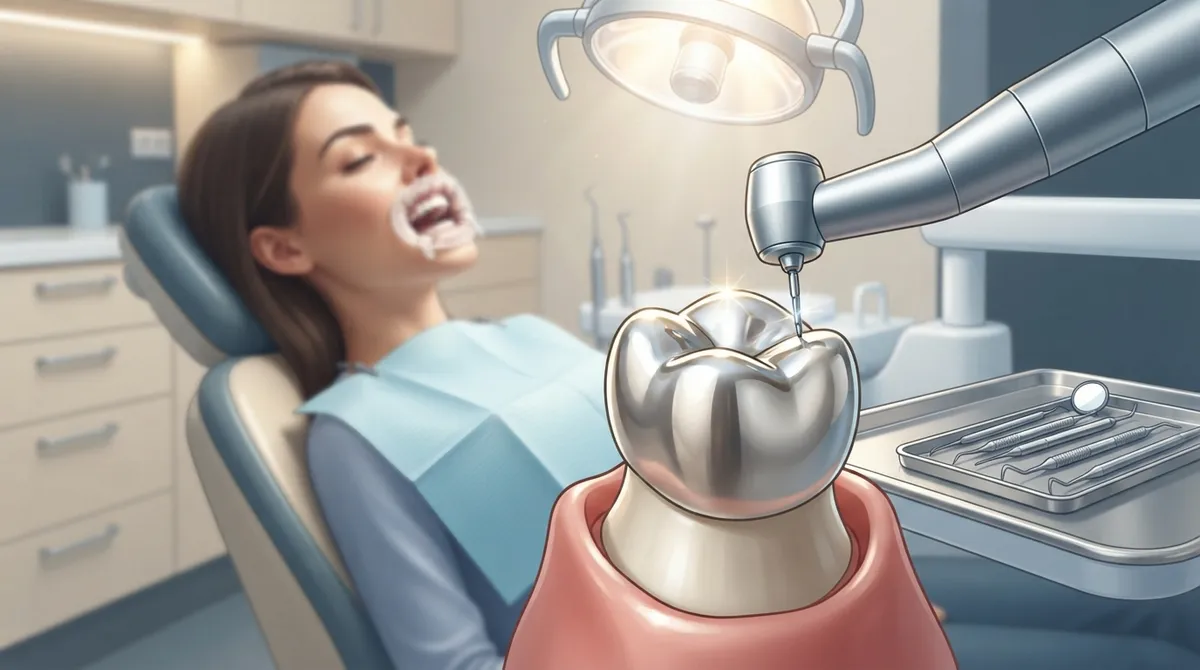
- A crown adjustment reshapes the chewing surface to fix uncomfortable or high bites, followed by polishing to create a smooth surface that prevents plaque buildup and gum irritation.
- Polishing after adjustment is critical because rough crown surfaces can irritate gums and wear down opposing teeth over time, while smooth surfaces resist plaque and stains.
- Different crown materials require specific tools and techniques—zirconia needs diamond polishers, lithium disilicate requires gentle handling, and porcelain-fused-to-metal uses different burs for different sections.
- Ignoring a high bite can lead to jaw soreness, headaches, accelerated crown wear, gum irritation, and stress fractures that spread discomfort to nearby teeth.
- Most crown adjustments take less than 30 minutes and rarely require more than one or two follow-up visits; signs requiring immediate attention include sharp pain, loose crowns, swelling, or persistent sensitivity.
- Daily brushing and flossing around the crown, avoiding hard foods, wearing a nightguard if you grind teeth, and attending regular checkups help a polished crown last many years.
Got a new dental crown that feels a little "off" when you bite down? You're not alone. Many patients visit our Ocoee office each week with the same simple concern. The good news is that a quick crown adjustment and polish often solves the problem in one short visit. Let's walk through everything you need to know, in plain, friendly language, so you feel confident about what happens next.
At Charming Smiles of Ocoee, we see this all the time. A crown gets placed, and your bite just needs a little fine-tuning. It's normal, it's quick, and it's nothing to stress over. Dr. Aliuska Lopez and her team have handled countless crown adjustments, and they know exactly how to get your bite feeling natural again.
1. What Exactly Is a Crown Adjustment and Polish?
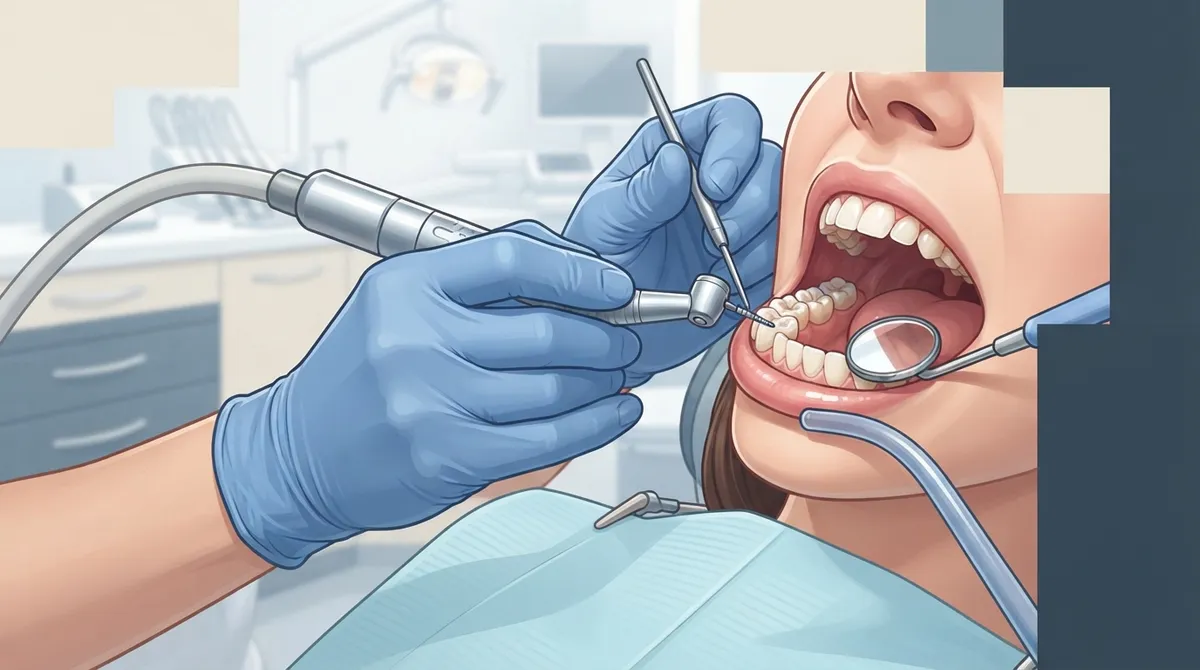
A crown adjustment is when your dentist gently reshapes part of your new crown. This usually happens on the chewing surface or the sides that touch neighboring teeth. The goal is simple: fix a bite that feels too high, uneven, or uncomfortable when you chew.
Polishing comes right after the adjustment. Your dentist smooths out the spot they just reshaped. This step matters more than people realize. A rough surface can collect plaque, irritate your gums, and even wear down the tooth across from it over time.
Think of it like getting new shoes. Sometimes they need a little breaking in or a quick adjustment before they feel just right. Your crown is no different.
2. Why Does a New Crown Sometimes Feel High?
This is one of the most common questions we hear at our crowns & bridges appointments. A few things can cause that "high" feeling:
- Your bite naturally shifts slightly once numbness from the procedure wears off
- The crown material needed fine calibration during the fitting process
- Your jaw muscles are still adjusting to the new tooth shape
- Small differences between the temporary and final crown
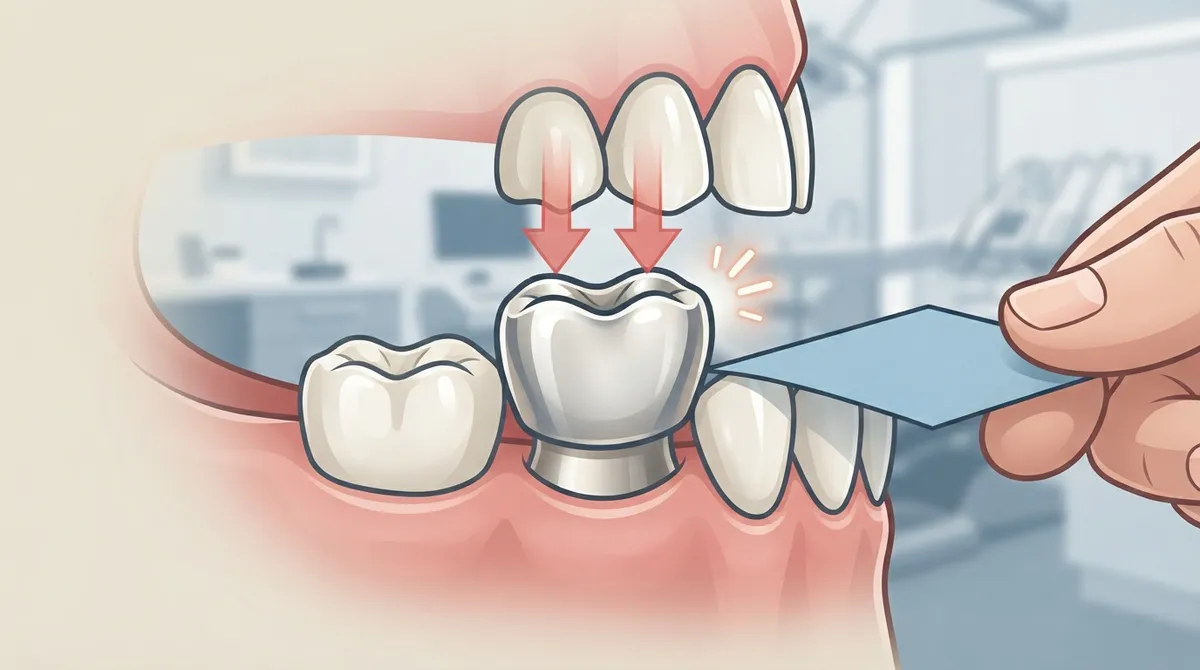
Whatever the cause, this is a completely normal part of the process. Your dentist checks your bite using thin colored paper called articulating paper. It shows exactly where your teeth touch too hard, so adjustments are precise, not guesswork.
3. How the Adjustment Process Actually Works
Here's what typically happens during a crown adjustment and polish appointment:
- Your dentist asks about your symptoms and where it feels uncomfortable
- You'll bite down on articulating paper to mark high spots
- Small amounts of the crown surface get gently reduced using fine instruments
- Water cooling keeps the crown material safe during this step
- You bite again to check the new fit
- Once it feels right, the dentist polishes the adjusted area
- A final check confirms your bite feels even and comfortable
The whole appointment is usually quick, often less than 30 minutes. Most patients are surprised at how simple and painless it is.
4. Why Polishing Matters So Much
You might wonder why polishing gets its own step. Here's the truth: an unpolished crown surface can cause real problems down the road.
According to a 2015 review on tooth polishing, a smooth, glossy surface helps limit plaque buildup and stains. Rough spots left behind after an adjustment can also irritate your gums or wear down the opposing tooth every time you chew (Tooth Polishing: The Current Status, 2015).
That's why skipping the polish step is never a good idea. A properly polished crown feels smoother, looks more natural, and lasts longer.
5. Crown Adjustment vs. Regular Teeth Polishing: What's the Difference?
This mix-up happens more than you'd think. Regular teeth polishing, sometimes called coronal polishing, is a routine cleaning step. It removes surface stains and plaque from your natural teeth.
Crown adjustment and polish is a completely different service. It's a clinical fix for bite problems, followed by a specialized polish designed for crown materials, not natural enamel. Using the wrong polishing tools on a crown can actually scratch or dull its surface. That's why your dentist uses different techniques for crowns versus natural teeth.
| Feature | Crown Adjustment & Polish | Routine Coronal Polishing |
|---|---|---|
| Purpose | Fix bite issues and smooth adjusted areas | Remove surface stains and plaque |
| Applies To | Crowns, bridges, and other restorations | Natural tooth enamel |
| Tools Used | Material-specific burs and polishers | Standard prophy paste and cup |
| Frequency | As needed after crown placement | Every routine cleaning visit |
6. Which Crown Materials Need Special Care
Not every crown gets treated the same way. Your dentist chooses different tools depending on what your crown is made of.
- Zirconia crowns need specific diamond polishing systems to avoid weakening the material
- Lithium disilicate (e.max) crowns require gentle handling to prevent tiny cracks
- Porcelain-fused-to-metal crowns use different burs for the porcelain versus the metal edges
- Composite resin crowns often need softer rubber polishers
Manufacturer guidelines exist for a reason. Using the wrong bur or applying too much pressure can damage the crown's surface glaze or even cause tiny fractures you can't see with the naked eye. That's why choosing an experienced dental team matters so much for this kind of work.
7. What Happens If You Skip Proper Adjustment
Ignoring a high bite isn't a good idea. Left untreated, it can lead to bigger issues over time. Here's what can happen:
- Jaw soreness or headaches from uneven chewing pressure
- Extra wear on the crown or the tooth across from it
- Gum irritation around the crown's edges
- Cracks forming in the crown from constant pressure in the wrong spot
- Discomfort that spreads to nearby teeth as your bite compensates
The fix is usually quick and painless, so there's no reason to put off a follow-up visit if something feels wrong.
8. Signs You Should Call Your Dentist Right Away
Most bite adjustments go smoothly. But sometimes, ongoing discomfort points to something more than a simple high spot. Watch for these signs:
- Pain that gets worse instead of better after a few days
- Sharp pain when biting down on that specific tooth
- A crown that feels loose or wiggly
- Swelling or tenderness in the gum near the crown
- Food constantly getting stuck around the crown
- Sensitivity to hot or cold that doesn't fade
These symptoms may point to something beyond a bite issue, like decay under the crown, a cracked tooth, or a problem with the cement. In cases like these, your dentist may need to take X-rays, test the nerve, or check for gum problems. Never try to file or adjust a crown at home. It can cause permanent damage that's expensive to fix.
9. What to Expect During Your Follow-Up Visit
If your crown still feels off after your first adjustment, don't worry. Follow-up visits are a normal part of getting things exactly right. Here's what usually happens:
- Your dentist reviews your symptoms since the last visit
- Another bite check with articulating paper pinpoints the exact spot
- Small, careful adjustments are made using water cooling to protect the crown
- The area gets polished again for a smooth, comfortable finish
- You'll test your bite multiple times before leaving
Most patients need just one or two short visits to feel completely comfortable. Our team at Charming Smiles of Ocoee always takes the time needed to get it right, because your comfort matters more than rushing through an appointment.
10. How to Care for Your Crown After Adjustment
Once your crown feels great, a few simple habits help it stay that way:
- Brush and floss around the crown daily, just like your natural teeth
- Avoid chewing on very hard foods like ice or hard candy
- Wear a nightguard if you grind your teeth at night
- Keep up with regular checkups so small issues get caught early
- Call your dentist if anything feels different, even weeks later
A well-adjusted, properly polished crown can last many years with good care. Regular checkups make a big difference in catching small problems before they turn into bigger ones.
Why Ocoee Patients Trust Us With Their Crowns
Every mouth is different, and every bite is unique. That's why Dr. Aliuska Lopez takes a personalized approach to every crown adjustment and polish appointment. Our Ocoee office, conveniently located near Publix, combines advanced dental technology with a calm, spa-like setting designed to put you at ease.
We know dental visits can feel stressful for some patients. That's why we offer amenities like soothing music, cozy blankets, and gentle care from a team that genuinely listens. Whether you need a quick bite adjustment or you're exploring options like veneers or Invisalign, our goal is always the same: comfortable care and a smile you feel good about.
Curious what other patients have to say? You can visit us on Google — Charming Smiles of Ocoee to read real reviews from your neighbors right here in Ocoee. You can also follow along on our Charming Smiles Facebook page or check out smile transformations on our Charming Smiles Instagram page for a peek at the kind of results we love creating.
Ready to Get Your Bite Feeling Right?
If your crown feels high, uneven, or just not quite right, don't wait it out. A quick adjustment and polish appointment can make a world of difference. Our friendly team makes the process fast, gentle, and stress-free from start to finish.
We also offer flexible insurance & financing options and a helpful dental savings plan to make quality care easier to afford. Check out our current specials for ways to save on your next visit.
Ready to feel comfortable again? Call us at (407) 378-3704 today, or you can always book online at a time that works for your schedule. Our team at Charming Smiles of Ocoee is ready to help you smile with confidence again.
FAQs
Q: What is a crown adjustment and polish?
A: It's a simple dental visit where your dentist reshapes a small part of your crown to fix an uncomfortable bite, then polishes the area smooth. It's quick, painless, and usually solves the issue in one appointment.
Q: Why does my new dental crown feel high when I bite?
A: This happens more often than you'd think! Your bite can feel slightly different right after a crown is placed, and a quick in-office adjustment usually fixes it fast.
Q: Does adjusting a crown hurt?
A: Not at all. Most patients feel nothing more than gentle pressure. The process is quick, and you'll be back to smiling comfortably before you know it.
Q: Can I polish or file my dental crown at home?
A: We'd love for you to leave this one to us! Filing a crown at home can cause permanent damage. Give our Ocoee office a call and we'll get you in quickly.
Q: How soon should I return if my crown still feels high after adjustment?
A: Sooner rather than later! If anything still feels off after a day or two, just reach out. We're always happy to see you again until your bite feels just right.