
Pediatric Dentistry: Your Child's Path to Healthy Smiles
Key Takeaways
- First dental visit should occur by first birthday or six months after first tooth appears to establish early positive experiences.
- Pediatric dentists receive specialized training beyond regular dental school, focusing on children's unique dental development and care needs.
- Preventive care is crucial, with services like dental sealants that can prevent up to 80% of cavities in back teeth.
- Regular home care including proper brushing, flossing, and limiting sugary foods plays a critical role in maintaining children's oral health.
- Pediatric dental practices create child-friendly environments with colorful spaces, toys, and gentle communication techniques to reduce anxiety.
- Modern pediatric dentistry uses advanced technologies like digital X-rays and laser treatments to make procedures more comfortable and precise.
Every parent wants their child to have a bright, healthy smile that lasts a lifetime. That's where pediatric dentistry comes in—a special branch of dental care designed specifically for young patients from birth through their teenage years. Think of pediatric dentists as the pediatricians of the dental world, combining expert training with a gentle, kid-friendly approach that makes dental visits something children actually look forward to.
Pediatric dentistry isn't just about cleaning teeth or filling cavities. It's about creating positive experiences, teaching good habits early, and preventing problems before they start. Whether you're a new parent wondering when to schedule that first dental visit or looking for specialized care for your growing child, understanding what pediatric dentistry offers can help you make the best choices for your family's oral health.
What Makes Pediatric Dentistry Special
Pediatric dentists receive at least 24 months of advanced training beyond regular dental school. This extra education focuses on the unique needs of growing children, from tiny baby teeth to developing adult smiles. These specialists learn how to work with kids who might feel nervous, manage children with special health needs, and understand how teeth and jaws develop over time.
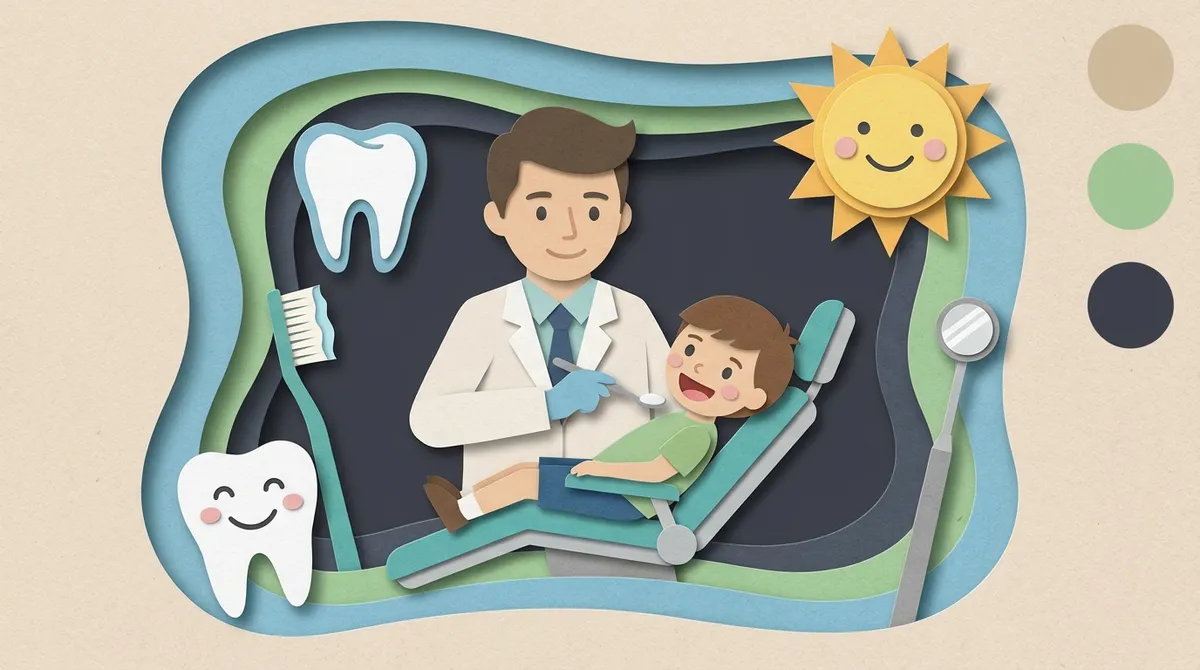
The difference goes beyond just training. Pediatric dental offices look and feel different too. You'll find colorful waiting rooms, toys, games, and a friendly atmosphere that puts children at ease. The dental team knows how to explain procedures in ways kids understand, using simple words and fun comparisons that turn scary experiences into adventures.
At Charming Smiles of Ocoee, we understand that children need special attention and care. Our team creates a spa-like environment where even the youngest patients feel comfortable and safe, setting the foundation for a lifetime of good dental habits.
Key Areas of Expertise
Pediatric dentists master several important areas that regular dentists might not focus on as heavily:
- Behavior guidance: Techniques to help anxious or fearful children relax during treatment
- Growth and development: Monitoring how teeth, jaws, and facial structures develop
- Special needs care: Treating children with disabilities or medical conditions
- Preventive strategies: Teaching habits that stop problems before they start
- Sedation options: Safe methods to help children who need extra support during procedures
When Should Your Child First Visit the Dentist
Here's something many parents don't know: your child should see a dentist by their first birthday or within six months of their first tooth appearing. That first tooth typically pops up around six months of age, making that first dental visit happen sooner than most families expect.
Why so early? Baby teeth matter more than you might think. They help children chew properly, speak clearly, and hold space for permanent teeth waiting underneath the gums. Starting dental visits early also helps your child get comfortable with the dentist's office, making future appointments easier and stress-free.
During that first visit, the pediatric dentist will:
- Gently examine your baby's teeth and gums
- Check for any signs of early problems
- Show you how to clean tiny teeth properly
- Answer your questions about teething, pacifiers, and thumb sucking
- Create a personalized care plan for your child
Building Positive Dental Experiences
Those early visits do more than just check teeth. They build trust and create positive associations with dental care. When children start young, they grow up seeing the dentist as a normal, friendly part of life—not something to fear. This early foundation leads to better oral health throughout their entire lives.
Essential Pediatric Dental Services
Pediatric dentists offer a wide range of services tailored to young smiles. These treatments focus on prevention first, but also address any problems that do develop with gentle, effective care.
Preventive Care
Prevention forms the backbone of pediatric dentistry. Regular checkups and cleanings help catch small issues before they become big problems. During these visits, the dental team removes plaque and tartar, polishes teeth, and applies fluoride treatments that strengthen tooth enamel.
Dental sealants provide another powerful preventive tool. These thin, protective coatings go on the chewing surfaces of back teeth, where cavities most often form. Sealants create a smooth, easy-to-clean surface that keeps food and bacteria from settling into the grooves of molars. Studies show that sealants can prevent up to 80% of cavities in back teeth.
Common Treatments
Even with great care, children sometimes need treatment. Pediatric dentists handle these common procedures:
- Fillings: Treating cavities with tooth-colored materials that blend naturally
- Pulpotomies: A gentle treatment for infected baby teeth (similar to a root canal but simpler)
- Stainless steel crowns: Durable caps that protect badly damaged baby teeth
- Space maintainers: Devices that hold space when a baby tooth is lost too early
- Injury treatment: Care for knocked-out, chipped, or broken teeth from accidents
For children who need extensive work or feel very anxious, pediatric dentists can provide safe sedation options. These range from mild laughing gas to deeper sedation for complex procedures, all carefully monitored to keep your child comfortable and safe.
Teaching Healthy Habits That Last
One of the most valuable aspects of pediatric dentistry is education. Dentists and hygienists teach children proper brushing and flossing techniques using fun, age-appropriate methods. They might use oversized toothbrushes and models to demonstrate or let kids practice on stuffed animals.
These professionals also guide parents on important topics like nutrition. They explain how sugary snacks and drinks affect teeth, help families create tooth-friendly meal plans, and offer practical tips for reducing cavity risk. Learning what foods build strong teeth versus which ones cause decay empowers families to make better choices every day.
Age-Appropriate Oral Care
Dental care changes as children grow. Here's what works at different ages:
- Infants (0-2 years): Wipe gums with a soft cloth after feeding, brush tiny teeth with water and a soft brush
- Toddlers (2-5 years): Use a pea-sized amount of fluoride toothpaste, brush twice daily, start flossing when teeth touch
- School age (6-12 years): Supervise brushing, teach proper flossing, limit sugary snacks between meals
- Teens (13+ years): Encourage independence, discuss how diet affects teeth, monitor wisdom teeth development
Special Care for Unique Needs
Some children need extra support at the dentist. Pediatric dentists receive extensive training in caring for children with disabilities, medical conditions, or developmental differences. They understand how to adapt treatments, communicate effectively, and create comfortable experiences for all children.
For children with autism, sensory sensitivities, or anxiety disorders, pediatric dentists use special techniques. They might offer sensory-friendly appointments during quieter times, allow extra time for visits, or use visual schedules that help children know what to expect. The goal is making dental care accessible and positive for every child.
Children with medical conditions like diabetes, heart problems, or bleeding disorders also benefit from specialized pediatric dental care. These dentists coordinate with pediatricians and specialists to ensure treatments stay safe and effective.
Modern Technology in Pediatric Dentistry
Pediatric dentistry has advanced significantly in recent years. Modern tools make treatments faster, more comfortable, and more precise than ever before. Digital X-rays use up to 90% less radiation than traditional films and show results instantly. Laser dentistry can treat some cavities without shots or drilling, making procedures nearly pain-free.
Silver diamine fluoride represents another exciting advancement. This liquid treatment can stop cavities without drilling, especially useful for very young children or those with special needs. It's quick, painless, and highly effective at preventing decay from spreading.
Zirconia crowns now offer beautiful, natural-looking alternatives to stainless steel for front teeth. These tooth-colored caps look just like natural teeth, helping children feel confident about their smiles while protecting damaged teeth.
Creating Comfortable Experiences
Charming Smiles of Ocoee combines advanced technology with a spa-like environment designed specifically to help children feel relaxed. Dr. Aliuska Lopez and her team understand that positive dental experiences in childhood lead to better oral health throughout life. They use gentle techniques and modern equipment to make every visit as comfortable as possible.
Preventing Common Childhood Dental Problems
Understanding common issues helps parents protect their children's smiles. Cavities remain the most common chronic childhood disease, affecting over 20% of children aged 5-11 years. But cavities are largely preventable with proper care.
Top Prevention Strategies
- Limit sugary drinks: Water and milk are best; save juice and soda for special occasions
- Brush twice daily: Morning and night, for two minutes each time
- Use fluoride toothpaste: Strengthens enamel and fights decay
- Floss daily: Removes plaque between teeth where brushes can't reach
- Regular dental visits: Catch problems early when they're easiest to treat
- Healthy snacks: Choose cheese, vegetables, and fruits over candy and chips
Addressing Dental Emergencies
Kids are active, and dental injuries happen. Knowing what to do can save a tooth. If a permanent tooth gets knocked out, find it immediately, rinse gently without scrubbing, and try to place it back in the socket. If that's not possible, keep it in milk and get to a dentist within 30 minutes for the best chance of saving it.
For broken or chipped teeth, rinse the mouth with warm water and apply a cold compress to reduce swelling. Contact your pediatric dentist right away. Many offices, including Charming Smiles of Ocoee, offer emergency services to handle urgent situations quickly.
The Role of Parents in Pediatric Dental Health
Parents play a crucial role in their children's oral health. Your attitude toward dental care influences how your child feels about it. If you're anxious about the dentist, children often pick up on that worry. Instead, talk positively about dental visits, read children's books about going to the dentist, and celebrate good checkups.
Supervising daily care matters too. Young children lack the coordination to brush effectively on their own until around age 7 or 8. Help them brush, check that they're reaching all areas, and make it fun with songs or timers. Establishing these routines early creates habits that last a lifetime.
Making Dental Care Fun
Turn tooth brushing into a game. Let children pick their own toothbrush featuring favorite characters. Play music while they brush. Use apps that guide children through proper brushing with interactive games. When dental care feels like play rather than a chore, children are more likely to stick with it.
Understanding Growth and Development
Pediatric dentists monitor more than just cavities. They watch how jaws grow, how teeth come in, and how the bite develops. Catching orthodontic problems early often makes treatment simpler and more effective later on.
Baby teeth start falling out around age 6, beginning a transition that continues through age 12 or 13. During this time, children have a mix of baby and permanent teeth. Pediatric dentists track this process, ensuring permanent teeth have enough space and come in properly.
Wisdom teeth typically appear in the late teens. Pediatric dentists monitor their development and determine whether they'll have room to come in properly or need removal. Early detection of potential problems allows for better planning and outcomes.
Choosing the Right Pediatric Dentist
Finding the right pediatric dentist sets your child up for success. Look for a practice with specialized training, a kid-friendly environment, and a team that communicates well with both children and parents. The office should feel welcoming and clean, with staff who genuinely enjoy working with kids.
Ask about the dentist's approach to anxiety and pain management. How do they help nervous children feel comfortable? What sedation options do they offer if needed? A good pediatric dentist will take time to answer your questions and address concerns.
Consider practical factors too. Is the office conveniently located? Do they accept your insurance? Can they accommodate your schedule? These details matter when you need regular checkups and occasional sick visits.
What to Look For
- Board certification in pediatric dentistry
- Positive reviews from other parents
- Modern equipment and clean facilities
- Friendly, patient staff who communicate well
- Flexible scheduling and emergency availability
- Clear explanations of treatments and costs
Insurance and Financing Options
Dental care is an important investment in your child's health. Most dental insurance plans cover preventive care like checkups and cleanings at 100%. They often cover basic treatments like fillings at 70-80% and major work at 50%.
If you don't have insurance, don't let cost prevent your child from getting needed care. Many practices offer dental savings plans that provide discounts on services for an annual fee. Payment plans can spread larger treatment costs over several months, making care more affordable.
Some families qualify for Medicaid or CHIP (Children's Health Insurance Program), which cover dental care for children. These programs recognize the importance of oral health to overall wellbeing and ensure all children can access needed services.
Looking Ahead: The Future of Pediatric Dentistry
Pediatric dentistry continues evolving with new technologies and techniques. Researchers are developing vaccines against cavity-causing bacteria. 3D printing creates custom crowns and appliances in minutes rather than weeks. Teledentistry allows virtual consultations for minor concerns, saving families time and making care more accessible.
Artificial intelligence now helps detect cavities earlier than the human eye can see them. Virtual reality headsets transport anxious children to calm, fun environments during procedures. These advances promise to make dental care even more effective, comfortable, and child-friendly in the years ahead.
The focus on prevention continues growing stronger. As we learn more about the connections between oral health and overall health, pediatric dentistry's role becomes even more important. Good dental care in childhood doesn't just create pretty smiles—it contributes to better nutrition, clearer speech, higher self-esteem, and reduced risk of serious health problems later in life.
Taking the Next Step for Your Child's Smile
Your child's dental health deserves expert, compassionate care from professionals who understand young patients' unique needs. Pediatric dentistry offers specialized services that create positive experiences, prevent problems, and build healthy habits that last a lifetime. Starting early and maintaining regular visits gives your child the best chance for a beautiful, healthy smile they'll be proud to share.
Whether you're scheduling your baby's first dental visit, looking for help with a challenging dental issue, or simply wanting to ensure your child gets the best possible care, pediatric dentistry provides the expertise and gentle approach your family needs. The investment you make in your child's oral health today pays dividends for years to come.
At Charming Smiles of Ocoee, Dr. Aliuska Lopez and her team specialize in creating positive dental experiences for patients of all ages. Their combination of advanced training, modern technology, and genuine care for children makes every visit comfortable and stress-free. Ready to give your child the gift of a healthy smile? Book online or call us at (407) 282-0085 to schedule your appointment today. You can also visit us on Google to see what other families are saying about their experiences with our caring team.
FAQs
Q: At what age should my child first see a pediatric dentist?
A: Your child should visit a pediatric dentist by their first birthday or within six months of their first tooth appearing, whichever comes first. This early visit helps establish good dental habits, allows the dentist to check for any developmental issues, and creates a positive foundation for future dental care.
Q: How is a pediatric dentist different from a regular dentist?
A: Pediatric dentists complete at least 24 months of specialized training beyond dental school, focusing specifically on children's dental needs from birth through adolescence. They're trained in child behavior management, growth and development, special needs care, and creating kid-friendly environments that help children feel comfortable and safe during dental visits.
Q: Are dental sealants really necessary for children?
A: Yes, dental sealants are highly effective at preventing cavities in children's back teeth, where decay most commonly occurs. These thin protective coatings can prevent up to 80% of cavities in molars by creating a smooth surface that keeps food and bacteria from settling into tooth grooves. They're painless to apply and can last several years with proper care.
Q: What should I do if my child knocks out a permanent tooth?
A: Act quickly if a permanent tooth gets knocked out. Find the tooth immediately, rinse it gently without scrubbing, and try to place it back in the socket if possible. If you can't reinsert it, keep it in milk and get to a dentist within 30 minutes for the best chance of saving the tooth. Time is critical in these emergencies.
Q: How can I help my anxious child feel comfortable at the dentist?
A: Talk positively about dental visits at home, read children's books about going to the dentist, and never use the dentist as a threat. Choose a pediatric dentist who specializes in working with anxious children and creates a welcoming, kid-friendly environment. Many offices offer special techniques, sedation options, and sensory-friendly appointments to help nervous children feel safe and comfortable.